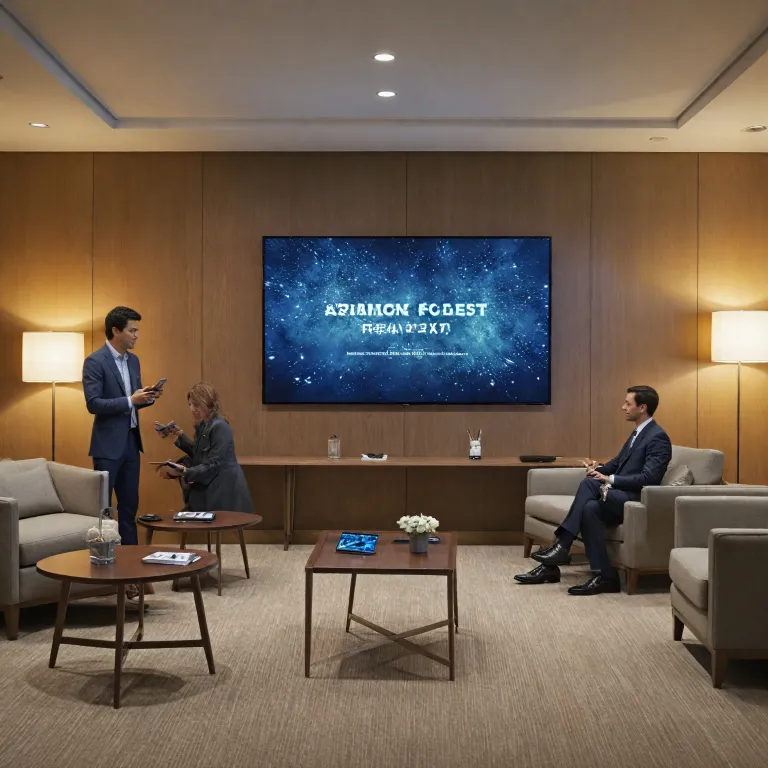
Chromecast for hospitality as a new standard for professional events
Chromecast for hospitality is rapidly becoming a reference point for hotel based professional events. When organisers evaluate a hotel, they now look beyond meeting rooms and catering to the depth of the in room entertainment system and its ability to support secure casting from personal devices. In this context, a chromecast solution is no longer a gadget but a strategic hotel solution that directly influences guest satisfaction and repeat bookings.
Specialised providers such as PPDS, Nomadix and UTH have transformed the traditional hotel television into a connected hub for streaming and collaboration. PPDS positions Philips MediaSuite as a professional display line with Chromecast built in, while Nomadix extends its TV Casting platform to support Chromecast for Google TV and UTH focuses on secure connected TV solutions that combine Chromecast and AirPlay. For organisers of large hospitality industry gatherings, these integrated hotel solutions reduce the need for external dongles, simplify management for the IT network team and help ensure consistent performance across all rooms and suites.
From an investor and technology partner perspective, chromecast hospitality deployments create a measurable uplift in perceived value. When guests can stream content from their own subscriptions and stream favorite series or presentations, they perceive the experience as closer to home and more premium. This shift is particularly visible during multi day conferences, where guests enjoy personalised room entertainment after intensive sessions and the guest experience becomes a decisive factor in event retention and long term venue preference.
Designing event ready hotel casting infrastructures for salons and expos
For trade shows and salons, the challenge is to scale hotel casting across hundreds of rooms while maintaining robust guest privacy. A professional casting solution must isolate each room on the network, so that a guest in one suite cannot accidentally cast content to another television, even when multiple chromecast devices are active on the same floor. Providers address this with per room VLANs, QR code pairing and automatic disconnection at checkout, which collectively ensure that the experience guests have remains secure and intuitive.
Nomadix, for example, builds its platform specifically for the hospitality industry, allowing hotels to centralise management of every chromecast hotel endpoint. This approach is particularly relevant for destinations that specialise in large professional experiences, such as hotels that elevate unique event hosting capabilities. In these environments, a resilient network and a scalable chromecast solution are as critical as ballroom capacity or exhibition surface.
For exhibitors and technology partners, chromecast for hospitality also opens new formats for demonstrations and hybrid activations. A sales team can walk into a room, connect securely, and stream content from a tablet to showcase dashboards, prototypes or live product feeds without additional hardware. When this casting works reliably across many rooms, organisers can design decentralised meeting concepts where guests move fluidly between plenary sessions and private suites, while still enjoying consistent room entertainment during their stay.
Elevating guest experience during professional stays with Chromecast enabled rooms
During multi day congresses, the guest experience in the room becomes a quiet but powerful differentiator. After intense networking and meetings, guests expect to relax, stream favorite series or continue working with the same ease they have at home, which is where chromecast hospitality plays a decisive role. With a well implemented chromecast solution, guests enjoy the ability to stream content from their own devices, access favorite content and switch seamlessly between leisure entertainment and professional applications.
For organisers, this translates into higher guest satisfaction scores and more positive feedback on post event surveys. When a hotel offers a mature hotel casting solution, delegates can review conference recordings, rehearse presentations or join late night video calls directly from the in room entertainment system. Venues that combine these capabilities with strong meeting facilities, such as those highlighted in analyses of professional hospitality events in New York, position themselves as holistic partners for demanding corporate clients.
From a technology partner’s angle, chromecast hotels also create opportunities to integrate analytics and management dashboards. Without tracking personal viewing data, operators can still monitor adoption rates of chromecast devices, identify rooms with recurrent issues and optimise the network to ensure smooth streaming. This data driven approach helps align capital expenditure on hotel solutions with measurable improvements in experience guests report, reinforcing the business case for further upgrades.
Protecting guest privacy and data in Chromecast enabled hospitality systems
For investors and decision makers, guest privacy is a non negotiable pillar of any chromecast for hospitality deployment. The same features that make casting convenient, such as automatic device discovery and persistent logins, can become vulnerabilities if not adapted to the hospitality context. To ensure trust, hotels must implement per room network isolation, automatic session clearing at checkout and clear on screen messaging that explains how personal content and credentials are handled.
Industry guidance emphasises that “Hotels implement measures such as per-room network isolation, QR-code pairing, and automatic disconnection upon checkout to ensure secure and private streaming experiences for guests.” This explicit focus on guest privacy reassures both leisure and professional guests, especially when they stream content from corporate accounts or confidential collaboration tools. For organisers of high level salons, where sensitive negotiations and product launches take place, such guarantees are essential to maintaining corporate security policies.
Providers like UTH and Nomadix embed these protections directly into their casting solution architectures, reducing the operational burden on hotel IT teams. Combined with Philips MediaSuite displays from PPDS, which integrate Chromecast at the hardware level, this creates a coherent system where chromecast devices, network segmentation and management tools work together. When guests enjoy frictionless streaming and still feel confident about guest privacy, the perceived quality of the hospitality brand rises, strengthening loyalty among frequent attendees of professional events.
Strategic opportunities for organisers, exhibitors and technology partners
For organisers of salons and professional experiences, chromecast hospitality opens new ways to orchestrate content across the entire venue. Instead of limiting communication to plenary screens, they can encourage guests to cast session replays, sponsor videos or interactive agendas to their room entertainment system. This transforms every room into an extension of the show floor, where guests enjoy curated content while still retaining full control to stream favorite personal programmes.
Exhibitors can also leverage chromecast for hospitality to create more intimate demonstration spaces. A sales engineer can invite a prospect to a suite, connect via the secure hotel casting solution and stream content from a laptop or tablet without additional hardware, mirroring the flexibility of home streaming. When this capability is clearly communicated in event prospectuses, it becomes a tangible differentiator that attracts technology focused exhibitors and justifies premium stand packages.
Technology partners and investors, meanwhile, can position integrated hotel solutions as part of a broader digital transformation roadmap. By aligning chromecast hotel deployments with other management platforms and network upgrades, they help hotels build a coherent infrastructure that supports both entertainment and productivity. Insights from initiatives on elevating connections in the hospitality industry show that such integrated approaches strengthen partnerships between venues, organisers and solution providers, ultimately enhancing the overall experience guests have during complex professional events.
Evaluating Chromecast hotel solutions and communicating value at professional events
When selecting a chromecast solution for a venue that hosts major salons, decision makers should evaluate several dimensions. First, they need to assess how well the system integrates with existing network infrastructure and whether it supports centralised management of all chromecast devices across rooms. Second, they should verify that the casting solution respects guest privacy and complies with corporate security expectations, especially for events that involve confidential product launches or financial roadshows.
Another key criterion is the quality of the experience from the guest perspective, including ease of pairing, responsiveness of casting and reliability of streaming. Organisers can run pilot events where selected guests are invited to stream content, stream favorite shows and report on how intuitive the hotel casting process feels. Feedback from these pilots helps refine training for front office teams, update in room entertainment instructions and fine tune hotel solution settings before large scale deployments.
Finally, communication plays a crucial role in maximising the impact of chromecast for hospitality during professional experiences. Event websites, registration confirmations and on site signage should highlight that chromecast hotels are available, explain how guests enjoy secure casting from their own devices and reassure them about guest privacy. When organisers frame this as part of a premium hospitality promise, they reinforce the perception that the venue is technologically advanced, attentive to guest satisfaction and committed to providing favorite content on demand throughout the stay.
Key statistics on Chromecast for hospitality and professional events
- Projected global sales of Philips MediaSuite TVs equipped with Chromecast built in were reported at 300 000 units, underlining strong adoption in the hospitality segment.
- Approximately 71 percent of hotel guests turn on the TV in their room, confirming the strategic importance of room entertainment and casting capabilities.
Frequently asked questions about Chromecast for hospitality
What is Chromecast for hospitality?
Chromecast for hospitality refers to the integration of Google's Chromecast technology into hotel TV systems, allowing guests to stream content from their personal devices to in-room televisions securely and seamlessly. In practice, this means guests can cast favorite content from familiar apps to the room entertainment screen without logging into the hotel television. For organisers and operators, it is a structured hotel solution that combines network controls, management tools and privacy safeguards tailored to the hospitality industry.
How do hotels ensure the security of Chromecast streaming?
Hotels ensure secure casting by isolating each room on the network, using QR code pairing and clearing sessions automatically at checkout. This architecture prevents a guest from sending content to another room and protects credentials used to stream content from personal subscriptions. These measures are central to maintaining guest privacy and sustaining trust in chromecast hospitality deployments.
Do guests need to download an app to use Chromecast in hotels?
Do guests need to download an app to use Chromecast in hotels? No, guests can typically use native Chromecast functionality without downloading additional apps, as it works with thousands of existing applications like Netflix, YouTube, and Spotify. For organisers and exhibitors, this simplicity reduces support requests and helps guests enjoy streaming and casting within minutes of entering their room.
Why is Chromecast for hospitality important for professional events?
Chromecast for hospitality is important because it aligns the guest experience during professional events with modern digital habits. Delegates can review presentations, join remote meetings or relax with favorite content using the same devices they rely on at home. This flexibility enhances guest satisfaction, supports hybrid event formats and reinforces the perception of the venue as technologically advanced.
How should organisers evaluate Chromecast hotel solutions for their events?
Organisers should evaluate chromecast hotel deployments by testing ease of use, network stability, guest privacy safeguards and integration with existing management systems. Pilot events can reveal how effectively guests can stream favorite shows or professional content and whether support teams can resolve issues quickly. By combining these insights with commercial terms from providers like PPDS, Nomadix and UTH, organisers can select hotel solutions that genuinely elevate the overall experience guests have at their salons and conferences.