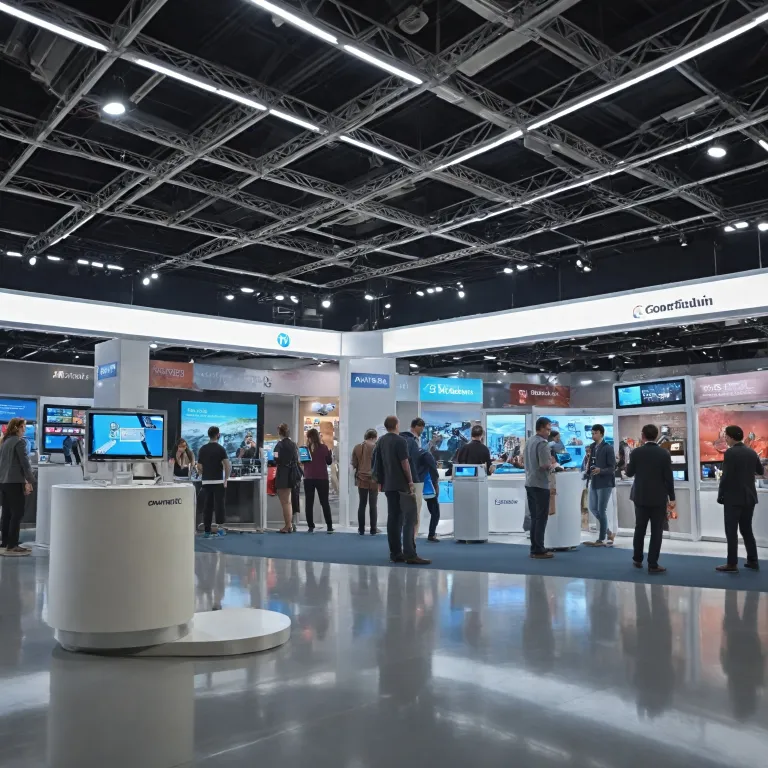
Hotelverse at Fitur as a catalyst for the hotel sector
At the heart of the tourism sector, hotelverse at Fitur has become a strategic meeting point for every hotel, technology partner, and investor. In Madrid’s IFEMA exhibition centre, the trade fair concentrates hotel management decision makers who want technology to serve both revenue and guest experience ambitions. For organisers of salons and expos, this context turns Fitur into a live laboratory where the hospitality industry tests new formats, new tech, and new alliances.
Hotelverse and BEONx use this environment to position their joint initiative as a benchmark for the hospitality industry and for the wider tourism sector. Their presence at Fitur aligns hotel groups, tech providers, and investors around a shared objective ; to make direct bookings and direct sales the most profitable and guest friendly channels. For event organisers, this shift in the hotel sector changes how sales meetings, demos, and networking sessions are designed on the show floor.
The scale of Fitur underlines why this trade fair matters for any hotel group or independent hotel. With hundreds of hotels and thousands of professionals, the event concentrates a critical mass of data, feedback, and real time conversations about booking, hotel booking engines, and revenue management strategies. For exhibitors, this density of guests, buyers, and partners means every room for negotiation, every stand, and every tech demo must be optimised like a high performing hotel direct channel.
In this context, hotelverse at Fitur is not only about one company ; it is a lens through which the entire industry rethinks how technology, artificial intelligence, and digital transformation can boost hotel performance. The hospitality sector uses this lens to align tourism, sales, and guest centric innovation.
Digital twin technology and hyper personalization on the show floor
One of the most striking contributions of hotelverse at Fitur is the operationalisation of the digital twin for hotels. On their stand, hotelverse transforms the abstract idea of a hotel into an interactive 3D model where guests can explore every room category and view. This digital twin technology allows guests to select their exact hotel room using immersive 3D models, enhancing the booking experience. For organisers, this creates a new type of experiential zone inside the trade fair, where tech and tourism storytelling merge.
Hyper personalization becomes tangible when visitors simulate a hotel booking in real time, choosing a specific room, floor, and orientation. The guest experience is no longer a promise on a brochure ; it is a visual and emotional journey that starts on the booking engine before the guest even reaches the hotel. For hotel groups, this level of detail supports direct bookings and hotel direct strategies, because guests feel more confident when they see exactly what they are buying.
Behind the scenes, artificial intelligence and revenue management rules from BEONx adjust prices and availability as visitors interact with the digital twin. This is where the partnership between BEONx and hotelverse at Fitur becomes a masterclass in how technology can boost hotel profitability while elevating hospitality standards. For tech partners and investors, the stand functions as a live case study in digital transformation for the tourism sector.
Event organisers looking to redefine venue technology and guest experience can draw inspiration from this approach and from specialised analyses such as venue technology news redefining management and guest experience. By integrating similar immersive tools into salons, they can turn traditional aisles into interactive corridors of innovation that mirror the best practices of the hospitality industry.
From booking engine to direct sales strategy in hospitality events
For many hotels, the booking engine has long been a functional tool rather than a strategic asset. Hotelverse at Fitur reframes this perception by showing how a booking engine, when combined with a digital twin and BEONx revenue management, becomes the core of a direct sales ecosystem. This ecosystem connects hotel management, marketing, and sales teams with guests in a more transparent and profitable way.
At the trade fair, hotelverse and BEONx demonstrate how direct bookings can outperform intermediary channels when the guest experience is intuitive and visually rich. The integration of artificial intelligence allows the system to adapt offers in real time, based on demand patterns and tourism sector trends. For hotel groups, this means that every room and every rate can be positioned dynamically, turning the booking journey into a finely tuned sales funnel.
Organisers of salons and expos can translate these principles into their own event design. By treating each exhibitor interaction as a form of hotel booking, they can use technology to qualify leads, personalise content, and increase conversion rates for both exhibitors and partners. Insights from resources such as the analysis of the Internet Retailing Expo shaping the future of hospitality events reinforce how retail style thinking can enhance professional experiences.
For investors and tech partners, hotelverse at Fitur illustrates how the hotel sector can align direct sales, booking engines, and guest centric design to generate sustainable growth. The hospitality industry gains a blueprint for integrating technology, tourism flows, and sales strategies into a coherent, measurable framework.
Revenue management, BEONx hotelverse alliance, and data driven salons
The alliance often referred to as BEONx hotelverse is more than a marketing partnership ; it is a convergence of revenue management expertise and immersive booking technology. BEONx brings advanced revenue management capabilities that optimise pricing and distribution based on consumer expectations and purchasing behaviour, leading to increased revenue. When this intelligence is layered onto the hotelverse digital twin, every hotel room becomes a micro asset whose value can be adjusted with surgical precision.
On the Fitur show floor, this translates into demos where hotel management teams see how artificial intelligence can orchestrate rates, restrictions, and offers in real time. The system considers tourism demand, competitor behaviour, and guest preferences to recommend the most profitable mix of direct sales and other channels. For hotel groups, this approach promises to boost hotel performance while maintaining a strong focus on guest satisfaction and loyalty.
Event organisers can apply similar revenue management thinking to their own trade fair models. By analysing visitor flows, exhibitor profiles, and sector trends, they can design pricing structures and sponsorship packages that mirror the sophistication of hotel revenue strategies. The tourism sector’s seasonality and demand curves offer a useful analogy for understanding peak times, premium locations, and value added experiences within salons.
For tech partners and investors, the BEONx hotelverse collaboration at Fitur demonstrates how data, artificial intelligence, and digital transformation can reshape not only hotels but also the broader hospitality industry. It shows that the same principles used to optimise hotel booking and hotel direct channels can inform smarter, more profitable event design and management.
Designing professional experiences around guest centric innovation
Hotelverse at Fitur places the guest at the centre of every conversation, and this guest centric mindset offers valuable lessons for organisers of professional experiences. In the hospitality industry, the guest experience begins long before arrival, often at the moment of hotel booking or first contact with a hotel website. By extending this logic to salons, organisers can design journeys where each participant feels treated less like a delegate and more like a valued guest.
The digital twin and hyper personalization capabilities showcased by hotelverse allow guests to visualise their stay, select a room, and understand the value of direct bookings. Translating this to a trade fair, exhibitors could offer personalised agendas, tailored content, and interactive demos that adapt in real time to visitor interests. Technology and artificial intelligence become tools for crafting experiences that feel both efficient and human, reinforcing the reputation of the tourism sector as a leader in service excellence.
For hotel groups and individual hotels, participating in such events becomes an extension of their brand promise. The way they present their tech stack, their booking engine, and their approach to hotel management reflects how they intend to treat guests in the property. Investors and partners observing hotelverse at Fitur see a coherent narrative where the hotel sector, tourism flows, and digital transformation converge around the guest.
By embracing this model, organisers, exhibitors, and tech partners can ensure that every room, every stand, and every interaction contributes to a holistic guest experience. This alignment strengthens the hospitality industry’s position as a benchmark for other sectors seeking to combine technology, sales, and human centric design.
Implications for future hospitality trade fairs and tourism sector strategy
The innovations presented by hotelverse at Fitur carry significant implications for the future of hospitality trade fairs and tourism sector strategy. As hotels and hotel groups adopt digital twin technology, hyper personalization, and advanced revenue management, expectations for professional events will rise accordingly. Participants will expect the same level of clarity, control, and real time information in a trade fair as they receive when making a hotel booking through a sophisticated booking engine.
For organisers, this means rethinking how data, artificial intelligence, and technology are embedded into the event journey. Registration, session selection, and matchmaking can mirror the logic of hotel direct channels, where direct bookings and direct sales are rewarded with better experiences and more transparent value. The hospitality industry, already accustomed to managing complex flows of guests and rooms, can provide a template for managing flows of visitors, meetings, and content.
Hotels that participate in these events will increasingly view them as extensions of their digital transformation roadmap. The way they present their tech stack, from BEONx revenue management to hotelverse digital twin solutions, will influence how investors and partners perceive their readiness for the future. The hotel sector and the wider tourism sector will therefore use trade fairs not only for sales, but also as strategic stages for signalling innovation and resilience.
In this evolving landscape, hotelverse at Fitur symbolises a broader shift where technology, guest experience, and commercial performance are inseparable. Organisers, exhibitors, tech partners, and investors who internalise these lessons will be better positioned to boost hotel performance, elevate professional experiences, and reinforce the authority of the hospitality industry on the global stage.
Key statistics shaping hotelverse at Fitur and professional hospitality events
- Number of visitors at Fitur : 255 000 people, illustrating the scale at which hotelverse and BEONx can showcase their technology to the tourism sector.
- Number of professionals attending Fitur : 155 000 people, providing a dense concentration of hotel management, hospitality industry leaders, and tech partners.
- Number of companies participating in Fitur : 9 500 companies, including major hotel groups and technology providers focused on direct bookings and guest experience.
- Number of countries represented at Fitur : 156 countries, confirming the trade fair as a global hub for the hotel sector and tourism industry.
Frequently asked questions about hotelverse at Fitur and hospitality technology
What is Hotelverse's digital twin technology?
Hotelverse's digital twin technology allows guests to select their exact hotel room using immersive 3D models, enhancing the booking experience. At Fitur, this solution is demonstrated live, enabling hotel management teams and investors to see how a virtual replica of the hotel can support direct bookings and hotel direct strategies. The technology also helps the hospitality industry align guest expectations with the real room product, reducing dissatisfaction and boosting hotel performance.
How does BEONx's revenue management system benefit hotels?
BEONx's revenue management system optimizes pricing and distribution based on consumer expectations and purchasing behavior, leading to increased revenue. When combined with hotelverse at Fitur, this system shows hotels and hotel groups how artificial intelligence can adjust rates and availability in real time across the tourism sector. The result is a more efficient balance between direct sales, intermediated channels, and guest experience objectives.
Which major hotel chains partnered with Hotelverse and BEONx at Fitur?
Partners included Radisson Hotel Group, Iberostar Hotels & Resorts, Hyatt, and Palladium Hotel Group. These hotel groups use the trade fair environment to evaluate how hotelverse and BEONx solutions can be integrated into their global hotel management and digital transformation strategies. Their presence reinforces the credibility of the technology and its relevance for the wider hospitality industry and tourism sector.
Why is Fitur an important trade fair for the hospitality industry?
Fitur is a major trade fair in Madrid that gathers hotels, tourism boards, tech providers, and investors from more than one hundred countries. For the hotel sector, it offers a unique platform to present innovations in booking engines, guest experience tools, and revenue management systems. The scale of visitors and professionals makes it an ideal environment for testing new technology, building partnerships, and aligning tourism strategies.
How can event organisers apply hotelverse and BEONx learnings to their own salons?
Event organisers can apply hotelverse and BEONx learnings by treating visitors as guests and designing hyper personalised journeys supported by technology. By using data and artificial intelligence to manage flows, content, and matchmaking in real time, they can mirror the sophistication of hotel booking and revenue management systems. This approach helps boost hotel related business at the event, enhances professional experiences, and strengthens the role of salons within the tourism sector.