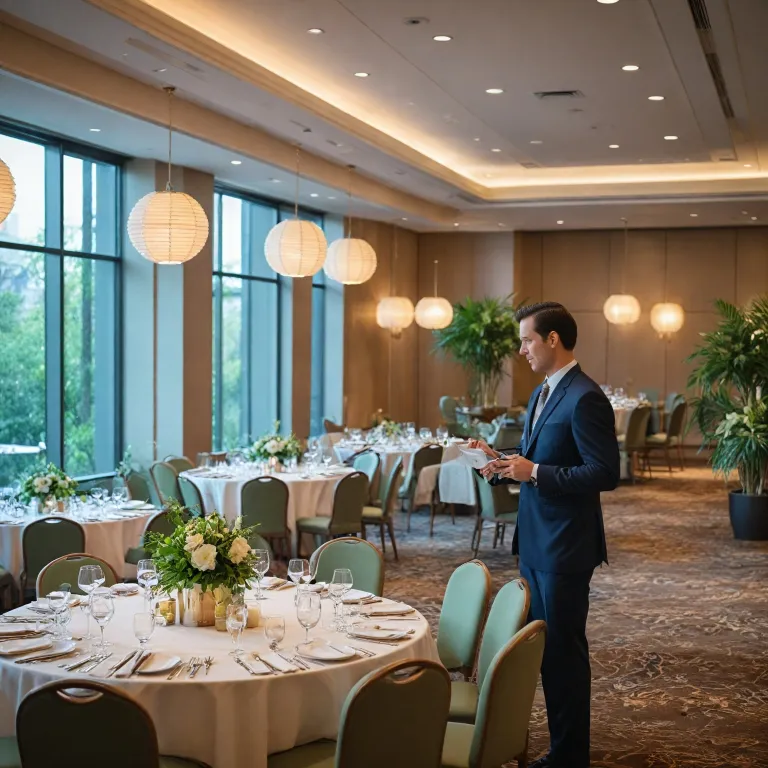
Why air quality is now a strategic asset for event hospitality
In modern hospitality events, clean air has become a visible promise. Organisers of trade shows and professional experiences now treat indoor air as a core pillar of guest experience and brand protection. For hotels hosting congresses, the best air quality management solutions for hospitality industry stakeholders are no longer optional extras.
The COVID-19 pandemic reframed air quality as a health and trust issue rather than a purely technical concern. Indoor air in hotel conference centres, exhibition halls, and guest rooms is now scrutinised by investors, corporate buyers, and risk managers in real time. This shift pushes hotels and venues to adopt integrated quality management strategies that combine monitoring, filtration, and transparent communication of quality data to guests.
For large events, the challenge is magnified by high occupancy, frequent turnover of guests, and variable use of meeting rooms. Air pollution from nearby traffic, catering operations, and equipment can quickly degrade indoor air if hvac systems and air filtration are not optimised. Event organisers increasingly request proof of quality monitoring, asking hotels to share air quality dashboards, quality monitors specifications, and maintenance logs for air purifiers and air cleaners.
Hospitality groups now benchmark properties on air quality performance alongside traditional KPIs such as RevPAR and guest comfort scores. The hospitality industry is adopting best air quality management solutions for hospitality industry portfolios to reduce health risks and reassure corporate clients. In this context, air quality becomes a differentiator for hotels competing to host high profile salons, congresses, and incentive events.
From fragmented initiatives to integrated air quality management systems
Many hotels started with isolated air purifiers in a few meeting rooms, but events now demand integrated systems. The most advanced properties connect hvac systems, air filtration units, and IoT sensors into a single quality management platform. This approach allows real time quality monitoring of air quality across ballrooms, breakout rooms, and guest rooms during large conventions.
Specialist providers such as DexGo, Hospitality Environmental Technology, and Oizom supply indoor air sensors and quality monitors tailored to hospitality. Their systems track particulate pollution, CO₂, humidity, and temperature, feeding quality data into building management systems for automated responses. When air pollution peaks near loading docks or kitchens, hvac systems can adjust airflow and air cleaners can increase filtration to maintain clean air in hotel rooms and public spaces.
Air purification experts including HealthWay, IQAir, Airgle, Alen, WellAir, Biozone Scientific, Fellowes, Carbon Lighthouse, and illumiPure focus on air purifiers and air cleaners designed for hotel environments. Their solutions range from portable air purifier units for breakout rooms to central air filtration modules integrated into existing hvac systems. For event organisers, the best air quality management solutions for hospitality industry venues are those that combine these technologies into coherent, auditable systems.
Carbon Lighthouse and similar partners also help hotels visualise indoor air quality data through guest facing applications. This transparency supports guest comfort and guest experience by showing real time air quality indicators in lobbies, meeting rooms, and guest rooms. For investors and asset managers, such systems provide measurable evidence that air quality risks are being managed with professional, data driven solutions.
Designing air quality strategies for trade shows and professional experiences
Professional events create unique air quality challenges that differ from standard transient hotel stays. Exhibition stands, temporary structures, and high density networking zones can generate localised air pollution hotspots that undermine guest comfort. To address these risks, organisers increasingly request venue wide quality monitoring and clear protocols for clean air management.
Effective strategies start with zoning and capacity planning for hotel conference floors and exhibition halls. Quality data from sensors informs how many guests can safely occupy specific rooms at a given time while maintaining healthy indoor air. During peak sessions, real time dashboards allow operations teams to adjust ventilation, deploy additional air purifiers, or redirect guest flows to less crowded spaces.
For multi day salons, continuous quality monitoring of indoor air is essential to detect gradual build up of pollutants from cleaning products, catering, and equipment. Quality monitors placed in hotel rooms, guest rooms, and backstage areas help ensure that staff and exhibitors also benefit from clean air. When air quality indicators drift from target ranges, hvac systems and air filtration settings can be fine tuned before guests notice any decline in guest experience.
Organisers also integrate air quality into their communication plans for corporate buyers and exhibitors. Sharing air quality data, explaining the role of sensors and air cleaners, and detailing maintenance routines for air purifiers builds confidence. In competitive bidding processes, venues that present the best air quality management solutions for hospitality industry events gain a tangible advantage.
Technology partners shaping the future of event ready indoor air
The ecosystem of technology partners supporting hotels and event venues has expanded rapidly. Air purification specialists such as HealthWay, IQAir, Airgle, Alen, WellAir, Biozone Scientific, Fellowes, and illumiPure now collaborate closely with hvac systems manufacturers and building engineers. Their combined expertise delivers air filtration and air cleaners that fit discreetly into hospitality design while protecting guest health.
On the monitoring side, DexGo, Hospitality Environmental Technology, Oizom, and Carbon Lighthouse provide quality monitoring platforms built for the hospitality industry. Their sensors capture real time quality data on indoor air, enabling predictive maintenance and automated quality management responses. Integration with building management systems ensures that air purifiers, air purifier arrays, and hvac systems react instantly to changing air pollution levels.
“Percentage of consumers who recognize the importance of indoor air quality : 91 %”, “Percentage of consumers who want to see IAQ metrics in public buildings : 76 %”, and “Percentage of consumers who say hotel IAQ would impact their stay choice : 77 %”. These figures explain why investors and hotel brands now treat air quality as a strategic investment rather than a technical afterthought. For large scale events, the best air quality management solutions for hospitality industry portfolios are those that translate such expectations into visible, measurable action.
Technology partners also help hotels communicate their air quality performance to guests and corporate clients. Some properties display quality monitors in lobbies, while others integrate indoor air dashboards into event apps or digital signage. Linking these initiatives with elevated bed and sleep strategies, as outlined in premium guest comfort concepts for professional hospitality events, creates a holistic narrative of wellbeing.
Operational playbook for organisers, hoteliers, and technology partners
For organisers of salons and professional experiences, air quality now sits alongside catering, AV, and security in operational planning. Requesting detailed information on indoor air systems, quality monitoring protocols, and air filtration capacity has become standard in venue RFPs. Event contracts increasingly specify minimum air quality thresholds, response times, and reporting formats for quality data.
Hotel operators translate these expectations into concrete procedures for conference floors and guest rooms. Before an event, engineering teams verify hvac systems performance, calibrate sensors, and position portable air purifiers in high density rooms. During the event, staff monitor real time dashboards, adjust airflow, and coordinate with organisers if air pollution indicators approach predefined limits.
Technology partners support this playbook with training, remote monitoring, and analytics. IoT sensors and quality monitors feed continuous indoor air data into cloud platforms, where anomalies trigger alerts and recommended actions. Over time, this quality management loop helps hotels refine settings, reduce energy waste, and maintain clean air without compromising guest comfort or guest experience.
For investors and asset managers, the best air quality management solutions for hospitality industry portfolios are those that scale across multiple hotels. Standardised systems, shared data models, and common maintenance routines make it easier to benchmark performance across hotel rooms and guest rooms. This consistency strengthens brand promises and reassures corporate clients booking large, multi property events.
Communicating air quality as a premium element of guest experience
Air quality is invisible, so communication is essential to turn technical investments into perceived value. Guests and corporate buyers want reassurance that indoor air in hotel venues is actively managed, not left to chance. Clear signage, digital dashboards, and staff training help translate quality monitoring and air filtration into tangible guest comfort.
Hotels increasingly highlight their use of advanced air purifiers, hvac systems upgrades, and quality monitors in sales materials for events. When presenting ballrooms and meeting rooms, sales teams explain how sensors track air pollution and how real time quality data informs ventilation adjustments. This narrative positions clean air as part of a broader wellbeing concept that includes lighting, acoustics, and ergonomics.
For organisers, integrating air quality messages into event communications can enhance perceived safety and professionalism. Programmes, apps, and pre event briefings can reference indoor air strategies, the role of air cleaners, and the presence of quality monitoring systems. When guests see that the best air quality management solutions for hospitality industry venues are in place, they are more likely to relax, network, and extend their stay in hotel rooms.
Ultimately, air quality becomes a shared responsibility between hotel, organiser, and technology partner. By aligning on metrics, protocols, and communication, they transform clean air from a hidden technical topic into a visible signature of modern hospitality. In competitive markets, this alignment can be the factor that secures the next flagship congress or international salon.
Key statistics shaping investment in event ready air quality
- Percentage of consumers who recognize the importance of indoor air quality : 91 %.
- Percentage of consumers who want to see IAQ metrics in public buildings : 76 %.
- Percentage of consumers who say hotel IAQ would impact their stay choice : 77 %.
Essential questions on air quality for hospitality events
Why is indoor air quality important in the hospitality industry?
Indoor air quality is crucial in the hospitality industry to ensure the health and comfort of guests and staff, reduce the risk of airborne disease transmission, and enhance overall guest satisfaction. For events, poor indoor air can quickly undermine guest experience and perceived professionalism. Strong air quality management also supports brand reputation and regulatory compliance.
What technologies are used to improve air quality in hotels?
Hotels use technologies such as HEPA air purifiers, UV-C light disinfection systems, IoT-enabled air quality sensors, and data analytics platforms to monitor and improve indoor air quality. These tools integrate with hvac systems and air filtration units to maintain clean air in meeting rooms and guest rooms. For large events, real time monitoring and automated responses are particularly valuable.
How can guests assess the air quality of a hotel?
Guests can assess a hotel's air quality by inquiring about the air purification and monitoring systems in place, checking for certifications or standards met by the establishment, and using personal air quality monitors if desired. Visible dashboards or quality monitors in lobbies and meeting spaces also provide reassurance. Corporate buyers often request detailed air quality data during venue selection.
How should organisers evaluate venues for air quality readiness?
Organisers should request documentation on hvac systems, air filtration specifications, and quality monitoring protocols. Site visits should include a review of sensor placement, maintenance routines for air purifiers, and access to real time quality data during events. Preference should go to venues that integrate air quality into broader guest comfort and risk management strategies.
What role do technology partners play in long term air quality performance?
Technology partners provide the sensors, air cleaners, analytics platforms, and support services that keep indoor air systems effective over time. They help hotels interpret quality data, optimise hvac systems, and maintain compliance with evolving health expectations. For multi property portfolios, they enable consistent deployment of the best air quality management solutions for hospitality industry assets.