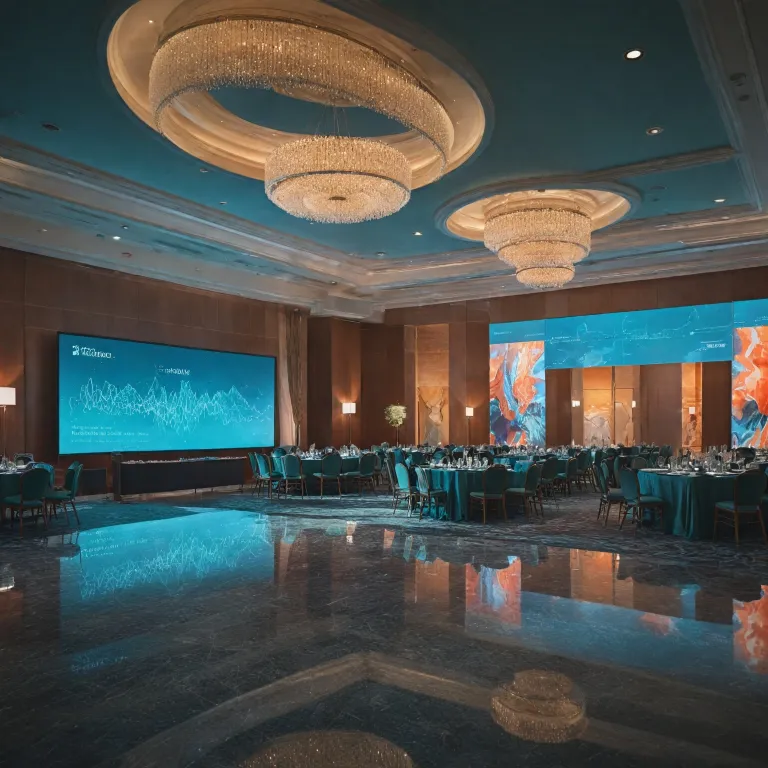
From static reports to live intelligence for hospitality events
In leading hotels, event organizers now expect PMS systems real-time occupancy revenue dashboards to behave like live control rooms. These dashboards translate raw data into operational clarity, aligning revenue, operations, and guest experience in a single property view. For hospitality businesses hosting trade fairs, professional experiences, and salons, this shift turns the PMS from a back office tool into a strategic event partner.
At the heart of this transformation sits the property management system, which centralizes reservations, front office workflows, and billing. A modern management system connects hotel technology, booking engine, channel manager, and front desk tools into one coherent data fabric. When these management systems surface real time occupancy and hotel revenue indicators, decision making around events becomes faster, more confident, and more profitable.
Event focused hotel management teams can finally see how group booking patterns, transient demand, and corporate contracts interact. Instead of waiting for end of day reports, they monitor dashboards that show revenue room performance, pricing strategies, and market trends minute by minute. This real time visibility is particularly valuable for hotel chains coordinating multi property hospitality operations around large professional events.
For organizers of salons and expos, PMS systems real-time occupancy revenue dashboards reveal whether contracted room blocks match actual demand. Hotel managers can adjust dynamic pricing, release unsold inventory, or extend allotments in time to capture late bookings. The result is tighter revenue management, better use of property capacity, and a more predictable financial outcome for every hospitality industry event.
Aligning event sales, front office, and revenue management teams
When a hotel hosts a major professional salon, coordination between sales, front office, and revenue management becomes critical. PMS systems real-time occupancy revenue dashboards create a shared language, allowing each équipe to read the same data and align actions. Instead of fragmented spreadsheets, hotel management relies on a single source of truth for occupancy, pricing, and booking pace.
Sales teams negotiating with organizers can open dashboards that show real time demand curves and historical market trends. They see how similar events affected hotel revenue, which pricing strategies worked, and how quickly room blocks filled. This evidence based approach strengthens hospitality businesses in B2B negotiations and supports more precise revenue room commitments.
At the front desk, agents benefit from PMS dashboards that integrate booking engine reservations, channel manager updates, and group rooming lists. The front office can anticipate peak arrival times, allocate property resources, and reduce waiting time for every guest. This operational clarity improves hospitality, reduces stress on staff, and supports higher satisfaction scores for event participants.
For technology partners and investors, these integrated solutions illustrate how hotel technology can de risk large event contracts. A PMS with strong integration capabilities connects to casting and staffing platforms, workforce planning tools, and guest experience applications. In this context, selecting the best casting solution for hotels becomes part of a broader property management strategy, where real time dashboards guide staffing levels and service design.
Designing dashboards for event centric decision making
For organizers of professional experiences, the value of PMS systems real-time occupancy revenue dashboards depends on design. A dashboard must translate complex data into clear signals that support rapid decision making under pressure. Hotel managers need to see which segments drive revenue, how demand evolves by day, and where pricing opportunities remain.
Effective dashboards for hospitality industry events typically combine occupancy, average daily rate, and revenue per available room in one view. They also surface booking pace, pick up by channel, and group versus transient mix for each property. When hotel chains host multi venue salons, these tools allow comparison of performance across hotels, revealing which operations and pricing strategies deliver the strongest hotel revenue.
For event organizers, a dedicated dashboard tab can show contracted blocks, pickup, and wash for each event date. This real time transparency helps both hotel and organizer adjust marketing, extend booking windows, or refine pricing in time. It also supports more nuanced revenue management, where dynamic pricing responds to actual demand rather than static forecasts.
Technology partners should ensure that every management system offers flexible widgets, filters, and export tools tailored to events. Integration with CRM, sales platforms, and external market data enriches dashboards with context about competitor pricing and wider market trends. In practice, this means that hospitality businesses can align event sales strategies with live market signals, rather than relying solely on historical patterns.
Integration, AI analytics, and multi property event strategies
The most advanced PMS systems real-time occupancy revenue dashboards are built on deep integration and AI driven analytics. For hotel chains managing simultaneous events across cities, this architecture turns scattered data into a coherent management system. A central revenue management team can oversee multiple hotels, comparing performance and reallocating demand in real time.
Integration with other hotel management systems is now a baseline expectation for investors and technology partners. A PMS should connect via API to channel manager platforms, booking engine providers, and external revenue management solutions. This ecosystem approach ensures that every booking, cancellation, and pricing change flows instantly into dashboards, preserving data integrity for decision making.
AI analytics add another layer by highlighting anomalies, opportunities, and risks that humans might miss. For example, algorithms can flag when demand for a specific professional salon exceeds forecast, suggesting dynamic pricing adjustments. They can also identify underperforming revenue room categories or dates where additional marketing could shift guest behavior.
Operationally, integrated dashboards help coordinate housekeeping, maintenance, and front desk teams during intense event periods. One documented benchmark shows an increase in room turnover times after digitizing housekeeping workflows of 30 %, illustrating how real time operations data can reshape staffing models. For CAPEX planning, another benchmark indicates CAPEX efficiency via smarter, data led forecasting and spending control of 30 %, while revenue uplift through real time analytics, targeted pricing, and guest segmentation insights reaches 10 %.
Human centric operations and staffing for professional experiences
Behind every successful hospitality event, there is a carefully orchestrated human experience. PMS systems real-time occupancy revenue dashboards support this by aligning staffing, service design, and guest flows with real demand. When hotel management sees precise arrival patterns and peak times, they can position front desk and concierge équipes accordingly.
For large salons and expos, dashboards that combine booking data with function space schedules help synchronize room operations and event logistics. Housekeeping can prioritize revenue room categories tied to premium packages, while maintenance teams focus on high traffic areas. This data led approach protects both revenue and guest satisfaction, especially when multiple hospitality businesses share the same venue ecosystem.
Staffing strategies increasingly rely on external partners and flexible talent pools for front office and event roles. Real time dashboards inform how many additional agents, hosts, or technical staff are needed at specific time slots. In this context, pre hire solutions for hospitality staffing become more effective when connected to PMS data, ensuring that recruitment aligns with actual demand curves.
For organizers and investors, this human centric use of data reinforces trust in hotel partners. They see that property management decisions are not only about pricing, but also about service quality and guest experience. Over time, this strengthens long term relationships between hotel chains, event brands, and technology providers across the wider hospitality industry.
Governance, training, and future ready PMS strategies for events
To fully benefit from PMS systems real-time occupancy revenue dashboards, hotels and organizers must invest in governance and training. A dashboard is only as strong as the data quality, user adoption, and management discipline behind it. Clear ownership of revenue management, operations, and data standards is essential for every property involved in professional events.
Training programs should help front office, sales, and revenue teams interpret dashboards consistently. Staff must understand how booking patterns, pricing strategies, and market trends interact, and how their actions influence hotel revenue. According to one expert explanation, “A PMS is software used by hotels to manage daily operations, including reservations, front desk, housekeeping, and billing.”
Equally important is educating event organizers and corporate clients about the capabilities of modern hotel technology. When they appreciate how real time dashboards support decision making, they are more open to flexible contracts and dynamic pricing models. As another expert states, “They provide immediate insights into occupancy and revenue, enabling quick decision-making and operational adjustments.”
Finally, PMS providers and IT consultants must keep evolving their solutions to match the pace of the hospitality industry. As one guidance notes, “Yes, many PMS solutions offer customizable dashboards to meet specific hotel needs.” For organizers of salons, exposants, technology partners, and investors, choosing hotels with robust property management systems is now a strategic decision, ensuring that every professional experience is supported by reliable, real time intelligence.
Key performance statistics for PMS event dashboards
- Increase in room turnover times after digitizing housekeeping workflows : 30 %.
- CAPEX efficiency via smarter, data led forecasting and spending control : 30 %.
- Revenue uplift through real time analytics, targeted pricing, and guest segmentation insights : 10 %.
Essential questions about PMS real-time dashboards for events
What is a Property Management System (PMS)?
A PMS is software used by hotels to manage daily operations, including reservations, front desk, housekeeping, and billing. For event focused hotels, the same management system becomes the backbone for coordinating group bookings and professional experiences. It centralizes data so that revenue management, operations, and sales teams can work from a unified property view.
How do real-time dashboards benefit hotels?
They provide immediate insights into occupancy and revenue, enabling quick decision-making and operational adjustments. During salons and professional events, this allows hotel management to react to demand shifts, adjust pricing, and reallocate rooms between segments. The result is more resilient revenue room performance and better guest experiences for participants.
Can PMS dashboards be customized?
Yes, many PMS solutions offer customizable dashboards to meet specific hotel needs. Event centric hotels can configure widgets for group pickup, block utilization, and function space revenue. This flexibility ensures that each property aligns its dashboards with its unique operations and market positioning.
How do real-time dashboards support revenue management for events?
By combining live booking data, pricing strategies, and market trends, dashboards give revenue managers a precise view of demand. They can apply dynamic pricing, manage channel mix, and coordinate with event organizers on room block adjustments. This integrated approach strengthens hotel revenue outcomes while maintaining strong relationships with organizers.
Why should event organizers care about a hotel’s PMS capabilities?
For organizers, a robust PMS with real time dashboards reduces operational risk and uncertainty. It ensures transparent tracking of room blocks, faster responses to changes in demand, and more reliable guest experiences. Choosing hotels with advanced property management systems is therefore a strategic decision for high stakes professional events.