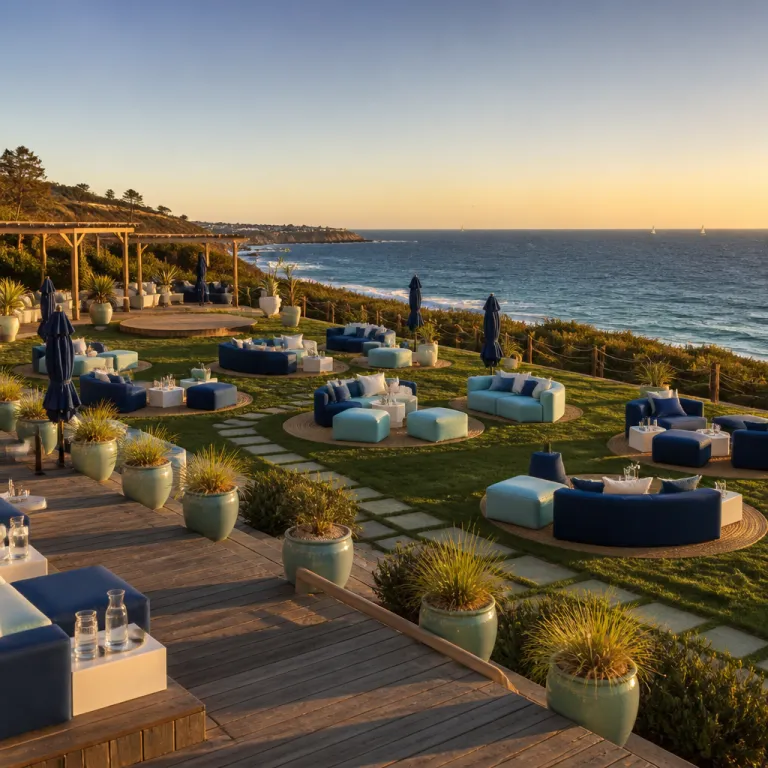
Why refined staff retreat ideas matter for hospitality trade events
For hospitality trade fair organizers, the most effective staff retreat ideas go far beyond a pleasant off site break. When a salon or corporate event team uses a carefully designed retreat to rehearse networking formats, the result is sharper coordination on the show floor and more consistent guest experience. A well structured staff retreat also becomes a live laboratory where leadership, exhibitors, technology partners, investors, and hotel decision makers can test new ways of working together.
In this context, a staff retreat is not a generic company retreat but a strategic professional experience aligned with the event calendar. The average retreat duration in the sector is often around two days, which fits neatly between major hospitality exhibitions and allows time for both work and reflective activities. Industry benchmarks from organizations such as SHRM and MPI frequently cite two to three days as the sweet spot for off site programs, and many hospitality organizers mirror this pattern. As one senior organizer at a European hospitality portfolio notes, “Two focused days give us enough time to rehearse networking formats without losing momentum on upcoming shows.” Organizers who treat these retreats as prototypes for future networking lounges, hosted buyer programs, and leadership retreat formats gain a decisive advantage in team dynamics and company culture.
Hospitality teams operate under intense time pressure during a trade show day, so retreat planning must mirror that reality. A typical work retreat schedule includes arrival, focused workshops, outdoor or indoor building activities, free time, and a closing session that translates insights into concrete actions. When team members experience this rhythm together, they return to the exhibition floor with stronger problem solving skills and a shared language for handling peak traffic, VIP delegations, and complex partner expectations.
Networking formats as the backbone of modern staff retreats
Retreat activities that rehearse real hospitality networking
For organizers of salons and professional experiences, the most valuable staff retreat ideas are those that directly improve networking formats. Instead of generic icebreakers, design retreat activities that simulate exhibitor buyer meetings, investor pitch sessions, and technology partner demos, so the équipe can rehearse real scenarios. This approach turns team building into a rehearsal space where staff members refine their facilitation skills and learn to guide people through meaningful conversations.
One effective format is the rotating "networking lab" where small teams test different layouts, timing, and hospitality touches for future meetups. During a single day, team members can compare a hosted buyer lounge, a silent pitch zone, and a curated supplier meetup, then evaluate which format best supports relationship building. For deeper inspiration on this topic, many organizers study best practices from hospitality supplier meetups focused on networking innovation and growth, as presented in this analysis of elevating business connections at hospitality supplier meetups.
Case example: networking lab for a regional hospitality fair
When these networking labs are embedded into a staff retreat, they help teams align on what "good" looks like for exhibitor ROI and guest satisfaction. Facilitators can assign each team member a specific role, such as investor, hotelier, or technology partner, to stress test the format from multiple perspectives. At a recent regional hospitality trade fair, organizers used a one day networking lab during their pre event retreat and, in their internal debrief, reported a noticeable rise in qualified hosted buyer meetings and higher satisfaction scores from exhibitors. One project manager summarized the impact by saying, “Because we had rehearsed the buyer journey during the retreat, our on site team could anticipate questions and keep conversations focused on outcomes.” Over time, this repeated practice during staff retreats builds confidence, reduces on site friction, and creates a shared playbook for every future corporate retreat or large scale hospitality event.
From team building to team bonding in hospitality specific scenarios
Classic team building has long been part of staff retreat ideas, yet hospitality professionals benefit most when these activities mirror real event pressures. Instead of abstract games, use retreat activities that simulate registration rushes, last minute rooming list changes, or VIP protocol challenges, so team members practice calm coordination. This kind of immersive work retreat experience strengthens both technical skills and human empathy across departments.
For example, a scenario based scavenger hunt inside a convention center or resort can double as a site inspection and a team bonding exercise. Teams receive missions related to signage, wayfinding, accessibility, and guest flow, turning a fun challenge into a practical audit of the venue’s readiness for future retreats and trade shows. Organizers who combine this with structured debriefs often report faster problem solving on real event days and more proactive collaboration between operations, sales, and marketing.
Networking focused staff retreats also benefit from curated meetups with local hoteliers, destination marketing organizations, and venue partners. These encounters allow staff members to test new conversation frameworks and hospitality gestures that will later be used with exhibitors and investors. For more ideas on how to translate retreat learning into impactful industry meetups, many professionals refer to this guide on the best hospitality industry meetups for impactful networking and growth, then adapt the concepts to their own company retreat formats.
Gamified formats : escape rooms, amazing race and friendly competition
Gamification has become a powerful lever for staff retreat ideas in the hospitality sector, especially when the games are designed around real operational challenges. Well crafted escape rooms can simulate crisis management, such as a double booked ballroom or a sudden technology failure, forcing the équipe to practice calm communication under pressure. When these retreat activities are debriefed properly, they reveal hidden leadership potential and expose gaps in procedures before the next major salon.
Another high impact format is an "amazing race" style challenge across a resort, convention center, or host city, where teams complete hospitality themed tasks. Each checkpoint can involve tasks like negotiating with a supplier, redesigning a networking lounge layout, or solving a guest journey puzzle, turning fun into applied learning. This kind of friendly competition encourages team bonding while reinforcing company culture values such as service excellence, agility, and respect for partners.
Scavenger hunt formats also adapt well to staff retreats focused on professional experiences and networking. Teams might search for examples of best practice signage, sustainable catering options, or innovative exhibitor activations, then present their findings in a short leadership retreat style pitch. A simple KPI template for these sessions could include pre and post retreat survey questions on confidence in handling guest issues, perceived cross departmental collaboration, and clarity of roles during peak periods. When organizers integrate these building activities into a broader work retreat program, they help team members connect the dots between playful competition and serious event performance.
Designing leadership retreats for hospitality decision makers
While many staff retreat ideas focus on front line teams, leadership retreat formats deserve equal attention in the hospitality events ecosystem. Senior organizers, hotel decision makers, and investor representatives need dedicated time away from the show floor to align on strategy, governance, and risk management. A focused leadership retreat also offers space to rethink networking formats, sponsorship models, and technology partnerships without the noise of a live salon.
Effective leadership retreats blend structured work sessions with curated retreat activities that surface real tensions in team dynamics. For example, a facilitated workshop on company culture might use anonymized exhibitor feedback to prompt candid discussion about service gaps and communication breakdowns. When leaders experience this together, they can agree on clear priorities for future staff retreats, corporate retreat agendas, and company retreat investments that will genuinely help their teams.
Many hospitality organizations now integrate virtual participation tools into leadership retreats, reflecting the hybrid nature of modern trade events. Remote team members, including international sales directors or technology partners, can join key sessions while on site participants handle experiential activities. For organizers seeking high impact formats for executive level gatherings, this resource on high impact corporate retreat ideas for VIP and executive hospitality experiences offers a useful benchmark that can be adapted to different company sizes and markets.
Operational excellence : planning, logistics and measurable outcomes
Turning ambitious staff retreat ideas into reality requires the same rigor that organizers apply to large hospitality exhibitions. Planning should start with clear objectives such as enhancing teamwork, developing specific skills, or aligning on upcoming event portfolios, then cascade into a detailed program. When facilitators and venue staff collaborate early, they can design retreat activities that respect budget, time constraints, and the physical realities of the chosen site.
Logistics for a work retreat or company retreat should mirror best practice for trade fairs, including transportation plans, contingency options for weather, and clear communication with all participants. Many organizations schedule staff retreats for one to three days, which aligns with industry data showing that this duration balances cost with impact. Packing guidelines, accessibility considerations, and wellness breaks are not minor details ; they directly influence how much energy team members can invest in team building and problem solving.
Measurement is where many staff retreats fall short, yet hospitality professionals are accustomed to working with KPIs and ROI. Before the retreat, define metrics such as cross departmental collaboration scores, staff satisfaction, or time to resolve on site issues during the next salon. A simple KPI template might track pre and post retreat survey results, number of interdepartmental projects launched, and exhibitor NPS changes across two event cycles. As one industry reference notes, "Usually between one to three days" and "To enhance team cohesion, communication, and morale." For additional practical guidance on structuring these metrics, organizers can consult internal post event reports or dedicated pages on corporate retreat measurement within their own organization.
Key figures shaping staff retreats in hospitality events
- A typical staff retreat in the hospitality events sector lasts around two days, which aligns with industry reports indicating an average retreat duration of 2 days for maximum engagement without fatigue.
- Many companies now organize some form of retreats for their teams, according to survey data from HR and events associations, showing that structured time away from daily work has become a mainstream tool for improving team performance.
- Retreat programs that combine workshops, outdoor activities, and group discussions tend to achieve higher satisfaction scores, because they balance cognitive load with physical movement and informal networking.
- Virtual retreats and hybrid formats are gaining traction in hospitality, as they allow international team members and remote partners to participate without the travel cost associated with traditional staff retreats.
- Wellness focused activities and diversity and inclusion workshops are increasingly integrated into corporate retreat agendas, reflecting broader shifts in company culture and expectations from younger team members.
FAQ : staff retreats for hospitality events and trade shows
What are the most effective staff retreat activities for hospitality teams ?
The most effective retreat activities for hospitality teams combine practical simulations with reflective discussions. Workshops, team building exercises, and recreational activities that mirror real event scenarios help team members transfer learning back to the show floor. Formats such as escape rooms, scavenger hunts, and amazing race style challenges work well when they are explicitly linked to guest experience and operational excellence.
How long should a staff retreat last for trade fair organizers ?
For trade fair organizers and hospitality professionals, a staff retreat typically lasts between one and three days. This duration allows enough time for deep work, networking practice, and informal team bonding without pulling people away from operational responsibilities for too long. Many organizations find that a two day work retreat offers the best balance between cost, logistics, and measurable impact.
What is the main purpose of a staff retreat in the hospitality industry ?
The main purpose of a staff retreat in the hospitality industry is to enhance team cohesion, improve communication, and boost morale ahead of demanding event cycles. Retreats give team members space to step back from daily work, reflect on recent trade shows, and plan better networking formats for future salons. When designed well, a staff retreat also strengthens company culture and clarifies expectations across departments.
How can organizers measure the impact of staff retreats on event performance ?
Organizers can measure the impact of staff retreats by tracking specific KPIs before and after major events. Useful indicators include staff satisfaction scores, time to resolve on site issues, exhibitor feedback on service quality, and the number of qualified leads generated during networking sessions. Comparing these data points across several retreats helps leadership refine retreat ideas and justify continued investment.
Are virtual or hybrid staff retreats effective for hospitality teams ?
Virtual and hybrid staff retreats can be effective when they are designed with clear objectives and interactive formats. For geographically dispersed teams, online workshops and digital networking labs allow people to practice facilitation skills and problem solving without travel. Many hospitality organizations now blend virtual sessions with periodic in person staff retreats to maintain both efficiency and deep human connection.