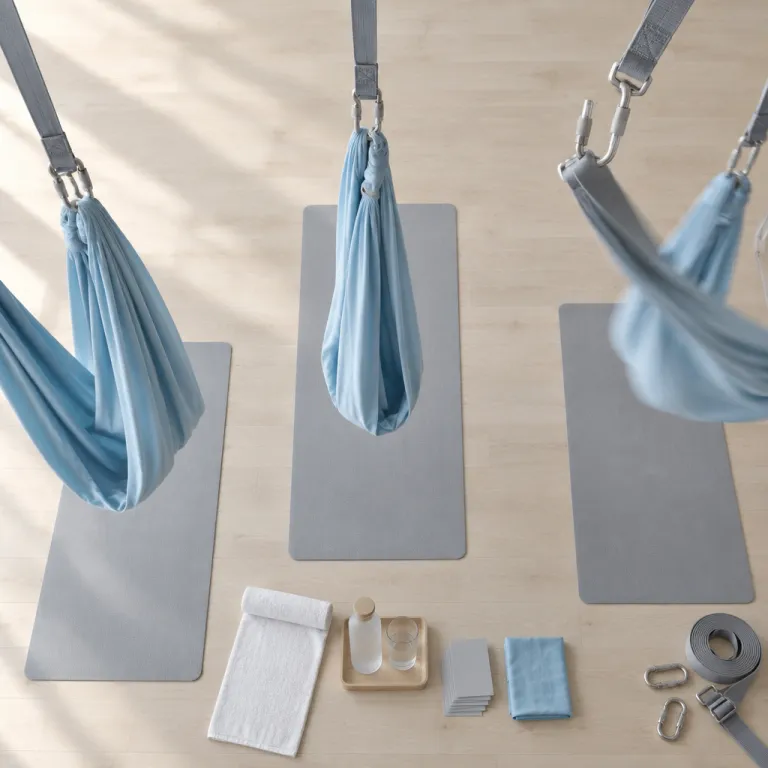
Understanding what aerial yoga offers to professional hospitality events
For hospitality decision makers, understanding what is aerial yoga starts with its core mechanics. Aerial yoga is a form of yoga discipline where guests perform yoga poses while suspended in a silk hammock that hangs from a secure frame, using their own body weight as resistance. This hybrid between traditional yoga on the mat and aerial arts with aerial silks creates a visually striking practice that feels both playful and deeply restorative.
In a typical yoga class adapted for events, the instructor guides participants through a sequence of poses using the yoga hammock as support. The fabric cradles the body, allowing anti gravity inversions that decompress the spine and enhance flexibility while reducing pressure on joints compared with traditional yoga on the floor. For organisers of professional experiences, this means you can offer classes that feel exclusive yet accessible, with clear health benefits and a strong experiential marketing narrative.
The question of what aerial yoga can bring to my event quickly becomes strategic when you consider guest expectations. Delegates are increasingly seeking wellness activities that address both physical strength and mental health, and aerial yoga classes answer this demand with a memorable, photogenic format. For trade show organisers and hotel investors, positioning yoga aerial sessions as part of a curated wellness frame helps differentiate your venue, elevate perceived value, and extend the life of the experience across social media and post event storytelling.
Designing aerial yoga spaces that align with experiential marketing goals
Creating a compelling answer to what is aerial yoga in a trade show or hospitality context starts with spatial design. The frame that holds each silk hammock or aerial hammock must be engineered for safety, but it can also become a sculptural focal point that anchors your experiential marketing zone. When guests see a row of colourful fabric installations above the mat area, they immediately understand that this is not a traditional yoga corner but a premium wellness stage.
For salon organisers and exhibitors, the layout of yoga classes matters as much as the content of the yoga practice. You need enough distance between each yoga swing or silk hammock to allow full body movement, while still keeping the group compact enough to foster a sense of community and shared mental focus. As a practical guideline, many operators allow around 1.8 to 2.4 metres between hammocks and limit groups to 8 to 14 participants per instructor to maintain safety and personalised attention.
When you plan a professional yoga class activation, align the design with your broader experiential hospitality strategy. Aerial yoga can sit alongside Pilates, breathwork, or gravity yoga inspired stretching, as shown by case studies on how Pilates retreats are redefining experiential hospitality for professional events. For example, a European convention centre recently partnered with a specialist aerial yoga vendor to install a modular rig that could be reconfigured between trade show floors and rooftop terraces, allowing them to offer sunrise hammock sessions for VIP buyers and shorter discovery classes for general delegates. By curating a sequence of yoga poses that move from the mat to the hammock, you help guests feel supported at every step, which reinforces trust in your brand and encourages repeat participation across multiple classes.
Curating aerial yoga programs for trade shows, retreats, and executive experiences
Once you grasp what aerial yoga can do physically, the next step is programming. For large salons, short introductory yoga classes of 20 to 30 minutes allow busy delegates to experience the key health benefits without disrupting their meeting schedule. In executive retreats or incentive trips, longer yoga practice sessions of 60 to 90 minutes can combine traditional yoga on the mat with anti gravity sequences in the hammock, offering a deeper reset for both body and mental state.
Event organisers should work with certified instructors who understand both traditional yoga and aerial arts techniques, ensuring that each yoga class is adapted to mixed ability groups. Many venues look for teachers with recognised yoga certifications and additional aerial yoga training from reputable schools, as well as familiarity with basic rigging standards such as EN or ASTM ratings for hardware. A well structured session might start with grounding on the mat, move into supported inversions using the aerial hammock, and finish with restorative poses where the fabric fully supports the body weight in a cocoon like shape.
For high end hospitality investors, aerial yoga can be integrated into premium wellness packages alongside spa rituals and bespoke nutrition, similar to the strategic positioning of healing experiences described in analyses of strategic pricing for Bali style healing experiences in high end hospitality events. By pricing yoga aerial sessions as part of a curated wellness journey rather than a standalone class, you increase perceived value and create upsell opportunities. Over time, a consistent program of aerial yoga classes can become a signature of your venue, attracting both corporate clients and wellness focused travellers who prioritise mental health and physical vitality.
Health, mental wellbeing, and the measurable benefits of aerial yoga for delegates
Hospitality leaders evaluating what is aerial yoga for their portfolio often focus on tangible outcomes. From a health perspective, aerial yoga offers decompression of the spine through anti gravity inversions, improved joint mobility, and increased upper body strength thanks to controlled body weight engagement. Compared with some forms of traditional yoga, the hammock and fabric provide extra support, which can make challenging yoga poses more accessible to beginners and older delegates.
Mental health outcomes are equally relevant for professional events, where stress and decision fatigue are constant. The gentle rocking of the yoga hammock, combined with mindful breathing and slow transitions between poses, can reduce anxiety and promote a sense of psychological safety. When participants feel literally held by the fabric, they often report a deeper capacity to let go, which aligns with the broader health benefits that hospitality brands now seek to embed in their experiential marketing narratives.
For experiential hospitality strategists, the key is to translate these benefits aerial experiences into measurable KPIs. You can track participation rates in yoga classes, post event satisfaction scores, and even qualitative feedback on balance, flexibility, and perceived mental clarity. Over multiple events, data showing that aerial yoga practice correlates with higher engagement, longer dwell time in wellness zones, and stronger brand recall will support investment decisions and help position your venue as a leader in gravity yoga inspired corporate wellbeing.
Operational, safety, and partnership considerations for aerial yoga activations
Implementing what is aerial yoga in a professional event setting requires rigorous operational planning. The frame and rigging that hold each aerial hammock or silk hammock must comply with local safety standards, and regular inspections are non negotiable. Many venues partner with specialised aerial arts companies to supply equipment, train staff, and certify that each yoga swing and set of aerial silks is correctly installed for the expected body weight range, often using components rated to several times the maximum anticipated load.
From a risk management perspective, clear communication before each yoga class is essential. Instructors should explain what aerial movements will be attempted, how the fabric supports the body, and which poses are optional for guests with specific health conditions. Providing both mat based traditional yoga options and hammock based sequences in the same classes allows participants to choose their comfort level, which reduces anxiety and supports inclusive participation across diverse age groups and fitness profiles.
Partnerships with technology providers can further enhance the experience and the data you collect. Wearable sensors, booking platforms, and feedback apps can track how often guests attend yoga practice sessions, how they rate the benefits aerial experiences, and which time slots or formats perform best. For organisers of large salons, this information helps refine scheduling, optimise staff allocation, and demonstrate to sponsors that aerial yoga activations deliver concrete ROI in terms of engagement, lead generation, and long term brand affinity.
Positioning aerial yoga as a signature experiential asset in hospitality
For investors and hotel executives, the strategic question is not only what is aerial yoga, but how it can become a signature asset. When integrated thoughtfully, yoga aerial programming can differentiate a convention hotel, a resort, or an urban meeting venue in a crowded market. The visual impact of suspended fabric, combined with the narrative of anti gravity wellness, creates a strong storytelling hook for marketing campaigns and sales pitches to corporate clients.
To maximise impact, align aerial yoga classes with your brand values and target segments. A luxury property might emphasise slow, meditative yoga practice in small groups, while a lifestyle hotel could highlight dynamic aerial arts inspired flows with music and social media ready moments. Case studies such as VIP and executive wellness experiences in professional hospitality events show how curated movement sessions can anchor high value packages and deepen client loyalty.
Over time, consistent delivery of high quality yoga class experiences builds trust among organisers, exhibitors, and delegates. Guests come to associate your venue with health benefits, improved balance and flexibility, and a rare opportunity to reset mental health during demanding professional schedules. By treating aerial yoga not as a trend but as a long term pillar of your experiential marketing strategy, you create a resilient point of differentiation that can evolve with new formats, from gravity yoga inspired workshops to hybrid programs that blend traditional yoga, Pilates, and mindful movement in the hammock and on the mat.
Key figures and statistics on aerial yoga and wellness in professional events
- According to the Global Wellness Institute’s report “Global Wellness Tourism Economy” (2018), the wellness tourism market reached approximately 639 billion US dollars in 2017 and has continued to grow, with corporate and meetings related travel representing a rising share of this demand for integrated health benefits.
- Industry surveys from the Events Industry Council’s study “Global Economic Significance of Business Events” (2018) indicate that more than 70 % of meeting planners now include at least one structured wellness activity, such as yoga classes or mindfulness sessions, in multi day programs for delegates.
- Research commissioned by the American Council on Exercise (ACE) in 2015 on aerial yoga style classes, published as “Aerial Yoga: A Scientific Look at a New Workout,” found that participants experienced significant improvements in balance and core strength after six weeks of regular practice, supporting the positioning of these sessions as functional training rather than entertainment only.
- Studies on workplace mental health from the World Health Organization, including the 2019 overview “Mental Health in the Workplace,” show that structured physical activity programs can reduce symptoms of anxiety and depression by up to 30 %, which reinforces the value of integrating yoga practice and movement into professional hospitality experiences.
- Data from hotel benchmarking reports by STR, such as the 2018 “Wellness Hospitality” analyses, highlight that properties with strong wellness offerings, including yoga and spa services, can achieve daily rate premiums of 10 to 20 % compared with comparable hotels without such amenities.
FAQ about aerial yoga in professional hospitality events
What is aerial yoga in the context of a hospitality event ?
Aerial yoga in hospitality events is a structured wellness activity where participants perform yoga poses using a suspended hammock or silk fabric attached to a secure frame. It combines elements of traditional yoga on the mat with aerial arts techniques to create anti gravity movements that decompress the spine and engage body weight safely. For organisers, it functions as both a health focused session and a high impact experiential marketing asset.
Is aerial yoga suitable for beginners and corporate delegates ?
Most aerial yoga classes designed for professional events are beginner friendly and focus on gentle inversions, supported stretches, and restorative poses. Instructors typically offer options to stay on the mat or use the hammock at different levels of intensity, which allows delegates with varying fitness levels to participate comfortably. Clear safety briefings and small class sizes further ensure that first time participants feel supported and secure.
What equipment is required to host aerial yoga sessions at a venue ?
To host aerial yoga, a venue needs certified frames or ceiling rigging, high quality hammocks or silk hammock systems, yoga mats, and sufficient floor to ceiling height for safe movement. All equipment must be rated for appropriate body weight loads and inspected regularly according to local regulations. Many hotels and convention centres work with specialised aerial arts suppliers who provide turnkey solutions, including installation, maintenance, and instructor training.
How does aerial yoga support mental health and delegate wellbeing ?
Aerial yoga supports mental health by combining mindful breathing, slow transitions, and the calming sensation of being held by the fabric. The anti gravity aspect can reduce physical tension in the spine and shoulders, which often contributes to stress during long conferences. Participants frequently report improved mood, better focus, and a sense of psychological reset after even a short class.
How can organisers measure the ROI of aerial yoga activations ?
Organisers can measure ROI by tracking attendance at yoga classes, collecting feedback on perceived health benefits, and analysing correlations with overall event satisfaction scores. Additional metrics include social media engagement around aerial yoga content, time spent in wellness zones, and repeat bookings from clients who cite wellness programming as a decision factor. Over multiple events, these données help build a clear business case for maintaining or expanding aerial yoga offerings.