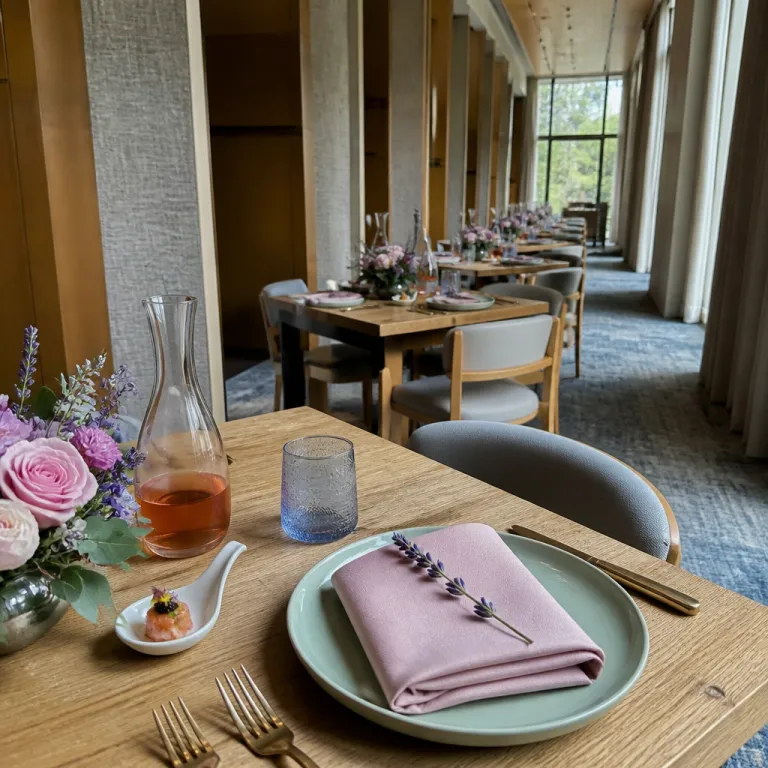
Why a regional hotel roadshow strategy outperforms large hospitality expos
The economics of a regional hotel roadshow strategy
For a hotel group VP weighing budgets, the regional hotel roadshow strategy starts with hard numbers, not mood boards. When you compare ten tightly curated 50 person dinners to a single 5,000 person hospitality expo, the total cost of ownership across travel, production, stand build, and staff time often tilts sharply toward the roadshow format. When hotel owners see that shift in the hospitality industry P&L, they rarely go back.
A full scale hospitality events booth at a major conference in the United States can easily reach six figures once you add long haul business travel, freight, on site services, and client entertainment. By contrast, a series of local roadshows built around regional dinners in key travel tourism hubs in america, latin america, and asia pacific spreads the same budget across multiple markets while cutting average cost per qualified meeting. In one internal benchmark from a global hotel group conducted in 2022 across 10 cities and roughly 500 attendees, ten regional events delivered a 25 % lower cost per opportunity than a single flagship stand, which mirrors broader industry surveys such as Bizzabo’s 2023 Event Marketing Report and Cvent’s 2023 Planner Sourcing Report showing that only around 40 % of organizers planning to increase events volume are pushing investment toward owned formats and micro events rather than more trade show floor space.
Benchmarks from Bizzabo’s 2023 Event Marketing Report, based on a survey of more than 1,700 event professionals, indicate that micro events can deliver comparable revenue per attendee at a fraction of the cost of large hospitality conferences. When you calculate cost per meaningful conversation instead of cost per badge, ten regional hospitality events often outperform one global hotel conference by a wide margin. The travel industry is learning that the real KPI is not the size of the tourism trade fair, but the density of deal making in the room.
Illustrative comparison of roadshow vs. expo performance
| Metric | Ten 50 person regional dinners | Single large hospitality expo stand |
|---|---|---|
| Total attendees engaged | ~500 pre qualified guests | 5,000+ mixed quality visitors |
| Average cost per qualified meeting | Indexed at 0.75 (25 % lower) | Indexed at 1.00 |
| Meeting to proposal conversion rate | 14–32 % range (case study data) | ~8 % (historical benchmark) |
| Primary objective | Hotel roadshows cost per qualified meeting optimization | Brand visibility and broad lead capture |
From badge scans to qualified meetings: why micro events win
Traditional trade shows in the hospitality industry still matter, but the economics of attention have changed. Average exhibitor ROI at large travel trade events is frequently reported in the 2 to 3 dollars per dollar spent range in exhibitor ROI studies, yet that figure hides the brutal leakage between badge scan and signed hotel investment agreement. As one recent analysis of post show performance put it, the problem is not the exhibition hall, it is the roughly 80 % leak in lead follow up that happens in the 72 hours after the booth closes.
A regional hotel roadshow strategy attacks that leak directly by designing each event around pre qualified meetings, not walk up traffic. Hotel groups use CRM data, travel market intelligence, and local ownership maps to build invitation lists of hospitality professionals, asset managers, and management companies who rarely attend global conferences in america or europe. When industry data from sources such as Cvent’s 2023 Planner Sourcing Report and the 2023 Amex GBT Meetings & Events forecast shows that around 70 % of events now host fewer than 200 attendees and small meeting demand has risen by roughly a quarter compared with pre crisis levels, the shift toward intimate formats is not a trend piece, it is an operational reality.
In practice, a 50 person dinner in a local hotel with strong guest experience scores can generate more serious conversations about hotel investment than three days at a generic investment conference. The corridor networking at 18.00 around a shared table often produces more concrete business travel contracts than a crowded stand at a travel trade show. Smaller hospitality events force companies to prepare, prioritize, and follow up, because every seat at the table represents a specific business case, not anonymous footfall.
Designing ten 50 person dinners that actually move the needle
Design is where a regional hotel roadshow strategy either becomes a growth engine or a series of expensive dinners. The most effective hotel conferences in miniature form are built around three phases that mirror the dataset timeline planning, execution, and follow up. When each phase is owned by a dedicated équipe with clear KPIs, the roadshow becomes a repeatable asset rather than a one off experiment.
During planning, hotel groups and event planners use personalized invitations, local partnerships, and tailored content to align each event with the travel industry dynamics of that city. A dinner in a secondary market in the united states might focus on select service hotel owners and regional tourism boards, while an evening in asia pacific could bring together luxury travel advisors, travel trade intermediaries, and technology companies. Choosing venues near public transport, providing clear directions, and even offering a virtual attendance option for a short conference style segment respects the realities of business travel schedules.
On site, the seating plan is your primary marketing tool, because it engineers networking and deal making in a structured way. A 50 person hotel conference style dinner works best when each table mixes hotel owners, investors, technology partners, and local tourism officials, with a facilitator guiding conversation toward concrete opportunities. A simple checklist helps assign a clear objective to each table, brief hosts on priority accounts, prepare two or three discussion prompts, capture notes in a shared template, and schedule next steps before guests leave. Post event, a disciplined follow up cadence using CRM workflows, shared notes, and pre agreed next steps prevents the classic 80 % lead leak that plagues large trade events and is mapped in detail in this analysis of post show lead decay based on multi event data from 2019 to 2023.
Who is shifting to roadshows and what results they see
Across the hospitality industry, the most aggressive adopters of a regional hotel roadshow strategy are multi brand management companies and asset light hotel groups. They are under pressure to grow fee revenue, deepen owner relationships, and rationalize marketing spend across hospitality events, travel trade fairs, and hotel conferences. For these players, ten regional dinners in america, latin america, and asia deliver more predictable pipelines than one oversized stand at a global conference.
Internal data from several international companies, compiled from 2021 to 2023 across more than 60 owner events, shows that regional roadshows attract owners and asset managers who rarely attend flagship events such as ITB Berlin, HITEC, or the big investment conference circuits. These local decision makers often control mid scale portfolios in secondary cities, where travel tourism demand is growing but under represented in global travel market narratives. When hotel groups bring the conversation to their city, they remove the friction of long haul travel and position themselves as partners in local tourism development rather than distant brands.
Case studies shared privately by hospitality professionals point to higher conversion rates from meeting to signed agreement when conversations begin at a curated dinner instead of a noisy hotel conference stand. One european management company reported that a ten city owner dinner series in 2022, involving approximately 400 participants, generated a 32 % meeting to proposal conversion rate and a 14 % signed deal rate, compared with 8 % from its previous flagship expo stand, while another confirmed that they favor smaller events to enhance engagement and reduce costs. When asked directly why they are favoring smaller events, several executives answered in almost identical terms to enhance engagement and reduce costs, and because regional dinners offer targeted networking and personalized experiences that strengthen loyalty.
The hybrid play minimal expo presence, maximal local impact
The smartest regional hotel roadshow strategy does not abandon major hospitality conferences, it reframes them. Instead of a sprawling stand at a global travel industry gathering, leading hotel groups now book a modest meeting suite, send a lean équipe, and redirect saved budget into a cluster of local roadshows before and after the main event. This hybrid model keeps a foothold in the international travel trade conversation while concentrating serious networking in smaller rooms.
During a flagship hotel conference week in the united states, for example, a group might host a private owner roundtable one evening and a technology partner dinner the next, both capped at 50 participants. The formal conference sessions and expo floor become top of funnel visibility, while the off site hospitality events are engineered for deal making and hotel investment discussions. Analytical frameworks such as the exhibitor scoring model for deciding which trade shows deserve a booth help companies decide when a meeting suite is enough and when a full presence is still justified.
Outside those peaks, the roadshows continue across america, latin america, and asia pacific, often in cities that never host a major conference. Local tourism boards, regional travel agencies, and mid size companies in business travel join these events because they are tailored to their market, not to a global agenda. Over time, the data generated by this network of dinners feeds back into CRM systems, sharpening future marketing, improving guest experience insights, and proving that the real power of a regional roadshow lies in its ability to turn hospitality events into a continuous, measurable business development engine.
FAQ
Why are hotel groups favoring smaller regional events over large expos ?
Hotel groups are favoring smaller regional events because they enhance engagement and reduce costs while improving ROI. A regional hotel roadshow strategy allows them to meet hotel owners, investors, and partners in their own markets, which increases attendance from decision makers who skip global conferences. With focused agendas and curated guest lists, these events generate more qualified meetings per euro spent than a single large expo.
How do regional roadshows impact ROI compared with traditional trade shows ?
Regional roadshows often yield higher ROI because every attendee is pre qualified and the format encourages deeper conversations. While average exhibitor returns at large trade shows remain positive, much of the potential value is lost in weak post show follow up and unqualified traffic. In contrast, ten 50 person dinners can deliver a higher conversion rate from meeting to signed agreement, especially when supported by disciplined CRM workflows and clear cost per qualified meeting targets.
What benefits do regional dinners offer to hotel owners and investors ?
Regional dinners offer hotel owners and investors direct access to senior brand leaders without the noise of a crowded expo floor. They provide space for detailed discussions about hotel investment, local tourism trends, and portfolio strategy that rarely fit into a quick stand meeting. Owners also save time and travel costs, since the event comes to their city rather than requiring long distance business travel.
How should a hotel group design a 50 person dinner for maximum impact ?
A high impact 50 person dinner starts with a clear objective, such as signing new management agreements or advancing technology partnerships. The guest list should balance hotel owners, investors, technology partners, and local tourism stakeholders, with seating plans that encourage cross table networking. Short, content rich interventions replace long presentations, and every conversation is logged for structured follow up within 48 hours.
Do large hospitality conferences still matter in a regional roadshow strategy ?
Large hospitality conferences still matter, but their role is shifting from primary sales channel to global visibility and thought leadership platform. Many hotel groups now maintain a minimal expo presence, such as a meeting suite, while investing more heavily in self hosted events in the same city during the week. This hybrid approach keeps them present in the global conversation while concentrating serious deal making in smaller, controlled environments.