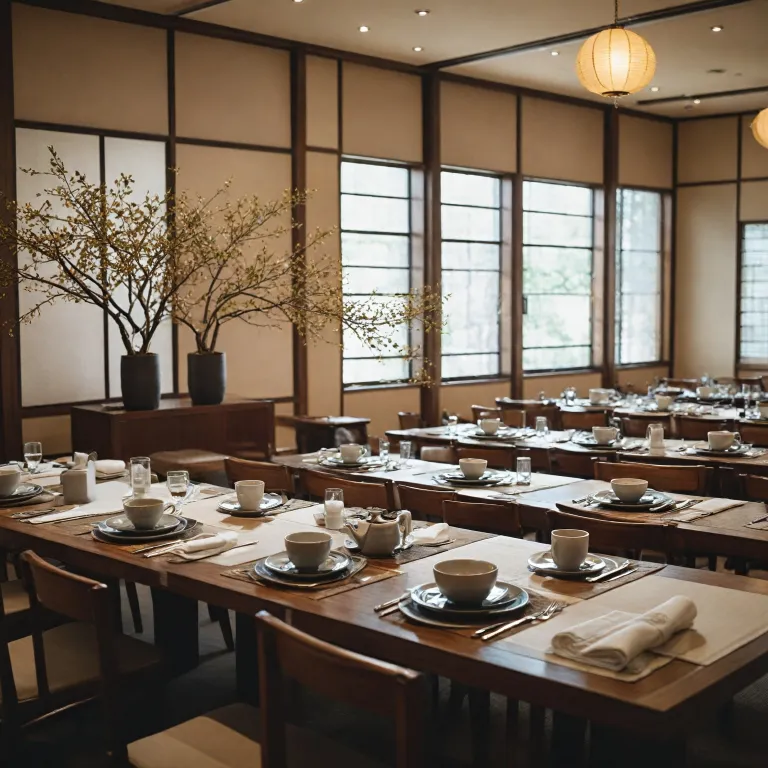
Omotenashi as a strategic blueprint for professional hospitality events
Omotenashi, the Japanese hospitality art, offers a powerful framework for professional events. For organisers and exhibitors, this japanese philosophy transforms every service interaction into a carefully choreographed experience that feels effortless yet deeply intentional. In Japan, japanese hospitality has evolved from intimate tea ceremony settings into large scale cultural experiences that still feel personal and human.
At its core, omotenashi service is about selfless hospitality and anticipating needs before guests articulate them. Japanese hosts in ryokan, restaurants, and event venues treat each guest as a unique customer whose time, comfort, and emotional state deserve meticulous attention. This mindset turns a standard hospitality service into a lifetime experience that guests remember long after the travel is over.
For B2B trade shows, the concept omotenashi invites organisers to rethink customer service as a form of art. Every host prepares the space, the flow, and the programme so that front guests never feel lost, rushed, or neglected, even during peak traffic. When exhibitors and partners align around wholehearted hospitality, the entire event culture shifts from transactional exchanges to meaningful relationships.
In this context, omotenashi japan is not a decorative theme but an operational philosophy. It influences how japanese people design signage, queue management, catering, and networking lounges to create calm, clarity, and respect. For international decision makers, integrating japanese culture principles into event design becomes a strategic lever to elevate both individual experience and overall ROI.
From tea ceremony to trade show floor: translating heritage into modern formats
The roots of omotenashi lie in the japanese tea ceremony, where every gesture expresses respect. In this ritual, the tea master embodies wholehearted hospitality, preparing japanese tea with precision while observing each guest’s posture, pace, and emotional state. Historical figures such as Sen Rikyu shaped this japanese culture of refined simplicity, where nothing is superfluous and every movement serves the guest.
For professional hospitality events, this heritage offers a concrete model for designing experiences. Just as a host prepares the tearoom in advance, organisers can choreograph arrival, registration, and wayfinding so that guests feel guided without needing to ask for help. When japanese hosts anticipate questions about programme, language, or accessibility, they reduce friction and elevate the perceived quality of customer service.
In many venues across Japan, omotenashi japanese values are visible in subtle details. Staff align their movements, tone of voice, and timing to create a calm rhythm that respects japan time and avoids unnecessary waiting. This approach can inspire international trade shows to rethink staffing plans, briefing content, and cultural experiences that honour both local heritage and global expectations.
For exhibitors, translating tea ceremony principles means treating each stand interaction as a focused, distraction free moment. Instead of pushing brochures, the host listens, offers tailored information, and creates an experience omotenashi that feels personal even in a crowded hall. Over multiple experiences, this selfless hospitality builds trust, strengthens brand positioning, and differentiates japanese hospitality inspired stands from more transactional competitors.
Designing guest journeys with omotenashi as operational standard
Applying omotenashi, the japanese hospitality art, to event design starts with mapping the entire guest journey. Organisers should analyse every touchpoint, from pre event communication to post event follow up, through the lens of selfless hospitality. This means asking how each interaction can make life easier for guests, exhibitors, and partners without drawing attention to the effort behind the service.
In practice, omotenashi service encourages teams to anticipate needs rather than react to complaints. Clear multilingual signage, discreet guidance in english and other languages, and staff trained to read non verbal cues all reflect japanese hospitality values. When front guests hesitate at a crossroads, a well briefed host prepares to step in gently, offering help before confusion turns into frustration.
For large hospitality experiences, the japanese approach also emphasises harmony between physical space and human flow. Seating, lighting, and acoustic choices should support calm networking, focused business meetings, and restorative breaks that respect cultural differences. By integrating japanese culture insights, such as respect for personal space and quiet zones, organisers create cultural experiences that feel inclusive and thoughtful.
Technology partners can embed the concept omotenashi into registration systems, mobile apps, and data flows. Smart scheduling that respects japan time zones for international calls, personalised agendas, and proactive alerts about congestion all express selfless hospitality in digital form. When customer service teams align with these tools, the overall experience omotenashi becomes coherent, measurable, and scalable across multiple events and markets.
Exhibitors and sponsors as modern hosts of japanese hospitality
In professional salons, exhibitors and sponsors effectively become japanese hosts for their segment of the floor. Their stand design, staffing, and follow up practices can either reinforce or dilute omotenashi japan values. When teams embrace wholehearted hospitality, every interaction with guests becomes an opportunity to express respect, attentiveness, and cultural sensitivity.
Training programmes can use examples from japanese people working in ryokan or tea houses to illustrate best practices. Staff learn to balance efficiency with warmth, ensuring that each customer feels seen rather than processed. This approach transforms product demos into cultural experiences, where the art of listening and responding thoughtfully matters as much as the technology itself.
For international investors and hotel decision makers, stands inspired by japanese hospitality can become reference points. Comfortable seating, calm lighting, and small gestures such as quality tea service signal long term commitment to customer care. When a host prepares these details in advance, the resulting lifetime experience often leads to deeper conversations, stronger partnerships, and higher conversion rates.
Content strategies can also reflect omotenashi japanese principles by offering tailored materials in english and other relevant languages. Rather than overwhelming guests with generic brochures, exhibitors curate information based on each visitor’s profile and interests. Over time, this selfless hospitality builds a reputation for reliability and care that extends far beyond a single event or travel season, reinforcing the strategic value of omotenashi service in B2B environments.
Aligning technology, culture, and service for elevated event experiences
For organisers and technology partners, the challenge is to align digital tools with omotenashi, the japanese hospitality art. Event platforms, CRMs, and analytics systems should support, not replace, the human touch that defines japanese hospitality. When designed thoughtfully, these tools help teams anticipate needs, personalise service, and maintain harmony across complex hospitality experiences.
Data from registration, session attendance, and customer feedback can guide improvements in omotenashi service. For example, heat maps of traffic flows help a host prepare better signage, staffing, and rest areas for front guests. Insights about language preferences support more precise use of english and other languages, ensuring that cultural experiences feel accessible without erasing local culture and heritage.
Strategic content, such as analyses of how restaurant industry news in Europe is reshaping professional hospitality events, can be integrated into programmes to contextualise omotenashi japan within global trends. This perspective helps investors and decision makers understand how japanese culture values like respect, mindfulness, and selfless hospitality translate into measurable business outcomes. When technology amplifies these values rather than diluting them, the overall experience omotenashi becomes a competitive advantage.
Partnerships with specialists in japanese tea, design, and ceremony can further enrich event formats. Live tea ceremony demonstrations, guided by a tea master, illustrate how a host prepares every element with intention and care. By connecting these cultural experiences to modern customer service practices, organisers show how omotenashi japanese principles can inform everything from VIP handling to crisis management on the show floor.
Embedding omotenashi into organisational culture and long term strategy
To move beyond thematic decoration, organisations must embed omotenashi, the japanese hospitality art, into their culture. Leadership teams should articulate how japanese hospitality principles support strategic goals such as retention, satisfaction, and long term partnerships. This clarity helps every host, from senior manager to temporary staff, align daily decisions with wholehearted hospitality.
Training programmes can use role play based on japanese tea ceremony scenarios to build empathy and anticipation skills. Participants experience omotenashi from both guest and host perspectives, learning how subtle gestures influence perceived value. Over time, this practice shapes instincts so that selfless hospitality becomes a natural response rather than a scripted behaviour.
“Experience omotenashi firsthand by staying at a traditional ryokan inn.” “Participate in a Japanese tea ceremony to understand the roots of omotenashi.” “Observe and appreciate the subtle gestures of hospitality in everyday interactions.” These real world recommendations illustrate how deeply japanese culture connects daily life, travel, and professional service. By encouraging teams to seek such cultural experiences in Japan or abroad, organisations strengthen their understanding of omotenashi japan.
Finally, embedding omotenashi service into KPIs and evaluation systems ensures continuity across events and markets. Metrics can track how guests rate the overall experience omotenashi, from registration to follow up, in both singular and plural experiences. When japanese people and international teams collaborate around this shared art of hospitality, professional events evolve into refined, human centric environments that honour culture, heritage, and business objectives simultaneously.
Key quantitative insights on omotenashi in professional hospitality events
- High satisfaction scores are consistently linked to anticipatory customer service practices inspired by japanese hospitality.
- Events that integrate structured cultural experiences, such as tea ceremony demonstrations, report stronger guest engagement metrics.
- Organisations applying omotenashi service principles often see improved repeat attendance and partnership renewal rates.
- Training programmes based on japanese culture scenarios correlate with higher staff confidence in handling complex guest interactions.
Frequently asked questions about omotenashi and professional events
What is the origin of omotenashi?
What is the origin of omotenashi? Omotenashi originated during the Heian period (794-1185) and is closely associated with the Japanese tea ceremony, emphasizing selfless hospitality and meticulous attention to guests.
How is omotenashi different from Western hospitality?
How is omotenashi different from Western hospitality? While Western hospitality often focuses on fulfilling explicit requests, omotenashi involves anticipating guests' needs without them having to ask, providing service with sincerity and without expecting anything in return.
Can omotenashi be experienced outside of Japan?
Can omotenashi be experienced outside of Japan? While omotenashi is deeply rooted in Japanese culture, its principles of selfless hospitality and attentiveness can be applied and experienced in various settings worldwide, especially in establishments that embrace these values.
How can event organisers apply omotenashi in large scale venues?
Event organisers can apply omotenashi by mapping guest journeys, training staff to anticipate needs, and designing spaces that reduce friction and stress. Combining japanese hospitality principles with technology allows teams to personalise service while maintaining operational efficiency.
Why is omotenashi relevant for investors and hotel decision makers?
For investors and hotel leaders, omotenashi offers a proven framework for enhancing perceived value, loyalty, and differentiation. By embedding this japanese culture of selfless hospitality into strategy and operations, they strengthen both brand equity and long term financial performance.