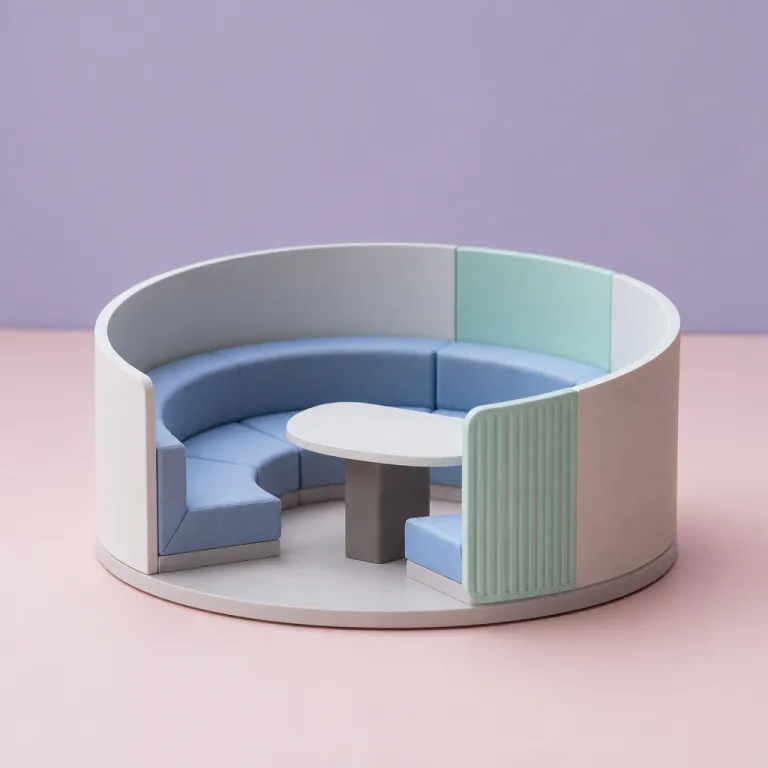
Structured networking design for high-ROI hospitality events
Why structured networking beats open mixing for hospitality ROI
For hospitality professionals, the real value of any networking event is measured in future meetings booked and revenue pipeline created, not in how many guests drifted through the ballroom. Unstructured receptions inside a hotel venue often privilege extroverts, while quieter attendees and international visitors leave with a stack of business cards but no shared experiences that anchor real business relationships. When hospitality associations redesign their networking formats around structure and facilitation, they reduce social friction and increase the probability that every attendee will meet the right contacts.
Psychology research on introductions and group dynamics consistently shows that people relax when roles, time limits and topics are clearly framed, which is exactly why formats such as speed networking, curated roundtables and task based sessions outperform open cocktails. In an internal survey note from one North American hospitality association (2023, n=412 respondents), structured networking was associated with double digit gains in repeat attendance, and post-event feedback forms reported satisfaction scores above 85 % when event planners combined clear facilitation with thoughtful hospitality design in their event spaces. That is the difference between a corridor conversation that turns into a corporate event contract and a noisy reception where your équipe never finds the revenue director they flew 800 km to meet.
For general managers and event planners evaluating upcoming events, the first question should be simple and ruthless. Does the networking programme specify who introduces whom, in which spaces, and with what prompts, or does it rely on “open networking” in a generic event space with a bar and background music? If the answer is the second scenario, your team will probably spend more time scanning badges than building relationships that justify the travel and accommodation line on your P&L.
The three format innovations that keep attendees coming back
Across United States hospitality associations, three networking event formats are quietly reshaping how venues host corporate events and trade shows. AI powered peer matching, revenue band curated dinners and walking meetings are emerging as the most effective hospitality networking tools for driving repeat attendance among demanding hospitality professionals. Each format uses hotel architecture and experience design strategically, turning spaces into catalysts for business rather than neutral backdrops.
AI peer matching platforms analyse attendee profiles, session choices and stated business goals, then propose networking sessions where each participant meets a shortlist of high value contacts in a defined event space. This is not random speed networking; it is structured business matchmaking where a revenue manager from a 250 room hotel in Chicago sits with technology partners and investors whose deal sizes and markets actually match. A methodology note from a 2022 hospitality industry event in Dubai recorded that when planners combined AI matching with small, well designed venues, repeat attendance rose by just over 12 % year on year and average meetings booked per attendee increased from 3.1 to 4.4, because people remembered the conversations, not the lanyards.
Revenue band curated dinners segment attendees by property size, RevPAR band or investment profile, then seat them in a unique venue such as a rooftop terrace or chef’s table with a clear facilitation script. Walking meetings, often hosted through nearby urban spaces or along a waterfront path, pair attendees for 20 minute rotations, using the city as an extended venue while the hotel team manages logistics and safety. For organisers planning upcoming events, these three formats should be the baseline, not the experiment, when the goal is to convert first time attendees into loyal advocates who bring their équipe back every cycle.
Designing hotel spaces that engineer better conversations
Effective networking in hospitality lives or dies in the floor plan, long before the first guests arrive at the venue. Too many hotels still treat pre function corridors and generic ballrooms as one size fits all event spaces, when hospitality professionals now expect environments that actively support curated networking experiences. The most successful properties treat every square metre as a tool for shaping how people move, pause and talk.
In practice, that means zoning event venues into distinct networking spaces with different acoustic and visual conditions, from high energy hubs for speed networking to quieter corners for investor meetings. A rooftop terrace with partial shade, movable lounge furniture and a clear skyline view can become the signature event space for small corporate events, while adjacent indoor rooms host task based sessions where attendees co create event ideas or benchmark data. When hotel design teams collaborate early with event planners, they can specify power access, sightlines and wayfinding that make it effortless for people to flow between formats without losing the thread of their conversations.
Hospitality design also extends to micro details that many planners still underestimate. Table heights, chair comfort, lighting temperature and even the placement of water stations influence how long attendees stay in a conversation and whether they feel welcome to join a group. For general managers, walking the space during a mock networking event with your sales équipe and operations team will reveal bottlenecks and dead zones that a CAD plan never shows, and that simple exercise often unlocks low cost changes that transform the overall experience.
Evaluating whether a networking event deserves your team’s time
Hospitality leaders are flooded with invitations to events, yet very few organisers articulate why their networking strategy is worth two days away from the property. Before approving registration fees and travel, general managers should apply a disciplined filter that goes beyond the headline speakers and glossy venue photos. The core question is whether the event planning team has built formats that align with your business objectives and your people’s networking styles.
Start by examining the agenda for specific references to structured networking events, such as AI matchmaking sessions, speed networking blocks, curated roundtables or task based workshops. If the programme only lists “networking breaks” and “cocktail reception”, you can safely assume that your équipe will be left to navigate crowded spaces with little support, which rarely produces measurable business outcomes. Look for clear descriptions of attendee segmentation, such as tracks for investors, hotel owners, technology partners and operations leaders, because that segmentation is what turns random meetings into targeted corporate event conversations.
Next, assess how the organisers use the venue and surrounding spaces. Events that publish floor plan snippets, explain how they will activate a rooftop terrace or lobby bar, and share photos of past shared experiences usually have a more mature networking strategy. Finally, ask whether the organisers provide post event tools, such as contact summaries or opt in follow up lists, because those details determine whether your team building efforts at the event translate into pipeline and partnerships once everyone is back at their desks.
The host advantage: when hotels design networking for their own people
Hotels that only host external events miss a powerful lever for strengthening their own vendor and client relationships. When a property’s leadership deliberately applies modern networking design principles to internal and partner facing gatherings, the venue becomes a living showroom for what is possible. That host advantage compounds over time, as suppliers, corporate buyers and hospitality professionals experience the hotel not just as a space, but as an expert facilitator of business networking.
One effective strategy is to organise quarterly networking events for key partners, using underutilised spaces such as a breakfast restaurant during off hours or a small rooftop terrace for sunset speed networking. The sales and events équipe can test new event ideas, from walking meetings through nearby neighbourhoods to themed corporate event tastings, while operations staff refine service flows and technology setups. Over several cycles, the hotel team builds a playbook of proven formats and layouts that they can then sell confidently to external event planners looking for event venues that genuinely support networking.
Internal team building sessions also benefit from structured networking formats. Cross departmental speed networking between front office, revenue management, F&B and housekeeping can surface process gaps and innovation ideas that never appear in standard meetings. When general managers treat their own people as attendees and design experiences that respect their time and energy, they not only improve staff engagement but also sharpen the property’s positioning as a venue where every networking event is engineered for meaningful outcomes.
Hybrid networking: what works online and what must stay in person
Hybrid events are now a permanent fixture in hospitality, but not every networking format translates across screens. For networking focused event design, the challenge is to decide which interactions belong in digital platforms and which require physical presence in carefully designed venues. The goal is not to replicate every in person moment online, but to orchestrate complementary experiences that respect how people actually build trust.
Short, purpose driven networking events such as AI matched one to one meetings or topic based speed networking adapt well to virtual environments, especially when platforms integrate calendar tools and clear time limits. These formats are ideal for pre event warm up sessions that let attendees meet a handful of relevant contacts before they ever step into the hotel lobby, so that the first handshake on site feels like a continuation rather than an introduction. More complex shared experiences, such as revenue band dinners, walking meetings or spontaneous conversations on a rooftop terrace with a city view, still depend on physical co presence and thoughtful hospitality design.
For organisers, the most effective hybrid strategy is to treat virtual networking events as filters and amplifiers. Use online sessions to qualify interest, align expectations and schedule in person follow ups during the main corporate events, then reserve your best venues and spaces for the high value meetings that emerge. As one association organiser summarised after a recent hybrid conference, “Structured networking formats, hybrid event models and personalised attendee experiences are reshaping how professionals connect at events.”
Key figures that shape modern hospitality networking formats
- Structured networking formats in hospitality events are frequently associated with higher repeat attendance in internal association reports and organiser survey notes, which supports the view that design driven formats outperform unstructured receptions.
- Attendee satisfaction rates above 85 % are commonly reported for networking events that combine clear facilitation, segmented groups and thoughtfully designed event spaces, based on post event surveys where organisers publish methodology summaries alongside headline figures.
- Industry research summaries from event technology providers such as Bizzabo in the early 2020s indicate that a large majority of event planners now treat hybrid models as a permanent part of their event planning strategy, yet they continue to prioritise in person networking for high value relationship building.
- Trend analyses from specialist agencies such as GoGather highlight that corporate events are shifting toward interactive, shared experiences with personalised, data driven touches, which aligns with the rise of AI powered matchmaking and curated networking formats in hotel venues.
- Booking.com corporate hospitality insights describe a steady increase in wellness activities woven into networking sessions, such as walking meetings and light movement breaks, supporting the case for more varied use of indoor and outdoor spaces.
FAQ: networking event design in hospitality
What is speed networking in a hospitality context ?
Speed networking in hospitality events is a structured format where attendees rotate through a series of short, timed conversations, usually lasting three to eight minutes. The aim is to maximise relevant introductions between hotel leaders, technology partners, investors and other hospitality professionals within a limited time window. When combined with clear matching criteria and a well designed event space, this format often produces more qualified leads than an hour of unstructured mingling.
How do roundtable discussions improve networking outcomes ?
Roundtable discussions group eight to ten attendees around a focused topic, often moderated by an industry expert or senior hotel executive. This structure encourages deeper exchanges than typical networking events, because people share specific challenges and solutions rather than generic elevator pitches. For organisers, roundtables also make it easier to segment attendees by role or business size, which increases the likelihood of useful connections and follow up meetings.
What are task based interactions at hospitality events ?
Task based interactions are networking formats where attendees collaborate on a concrete activity, such as co designing a new guest journey, benchmarking F&B concepts or solving an operational case study. Working together on a task reduces social pressure and allows people to demonstrate expertise, which often leads to more natural follow up conversations. These formats work particularly well in flexible hotel venues and can be adapted for both in person and hybrid events.
How can I judge if a networking event is worth attending ?
To evaluate a networking event, review the agenda for clearly described structured formats, such as AI matchmaking, speed networking, curated dinners or walking meetings. Check whether the organisers explain how they will use the venue’s spaces, including any rooftop terrace or breakout rooms, to support meaningful interactions rather than just hosting receptions. Finally, look for evidence of past attendee satisfaction, repeat attendance and a simple downloadable asset such as a sample networking checklist or floor plan, because those elements indicate whether the event planning team can deliver on its networking promises.
What role do hotels play in improving networking design ?
Hotels play a central role by aligning their hotel design and hospitality design with the needs of modern networking events, from flexible furniture layouts to integrated technology and signage. When a hotel team collaborates closely with event planners, they can propose event ideas that use multiple spaces creatively, such as combining lobby lounges, terraces and meeting rooms into a coherent networking journey. Properties that master this approach often become preferred event venues for associations and corporate buyers seeking higher networking ROI.
What is a quick checklist for high ROI networking design ?
Use this three point filter before committing your team’s time: first, confirm that the agenda includes at least two structured formats tailored to your goals; second, verify that the venue plan shows how different spaces will support conversations, not just catering; third, ask how organisers will capture and share contact details and next steps so that promising meetings turn into measurable business. If you are designing your own event, create a one page networking design checklist or sample floor plan that your équipe can download, share internally and use as a blueprint for every future hospitality networking event.
Case study: structured networking at the Harborview Hotel & Conference Center
At the Harborview Hotel & Conference Center, a 320 room waterfront property in a major U.S. city, the leadership team partnered with a regional hospitality association to redesign its annual corporate networking event. The organiser replaced two generic cocktail receptions with AI assisted peer matching sessions, revenue band curated dinners on the rooftop terrace and morning walking meetings along the harbour path, all supported by a detailed networking floor plan.
Over a single event cycle, the association reported that average qualified meetings per attendee rose from 2.7 to 4.2, and post-event surveys showed that 88 % of respondents rated the networking design as “very effective” or “excellent”. The hotel’s sales team attributed a 19 % increase in group sales pipeline over the following six months to relationships initiated during these structured formats. Based on these results, Harborview now uses the same networking design checklist and sample floor plan as a standard asset in proposals for association and corporate events.
To close the loop on your own hospitality networking strategy, create or request a concise, downloadable checklist that covers agenda design, attendee segmentation, space planning and follow up workflows. Share it with your sales, events and operations équipe so that every future networking event in your venue is engineered for measurable ROI, not left to chance.