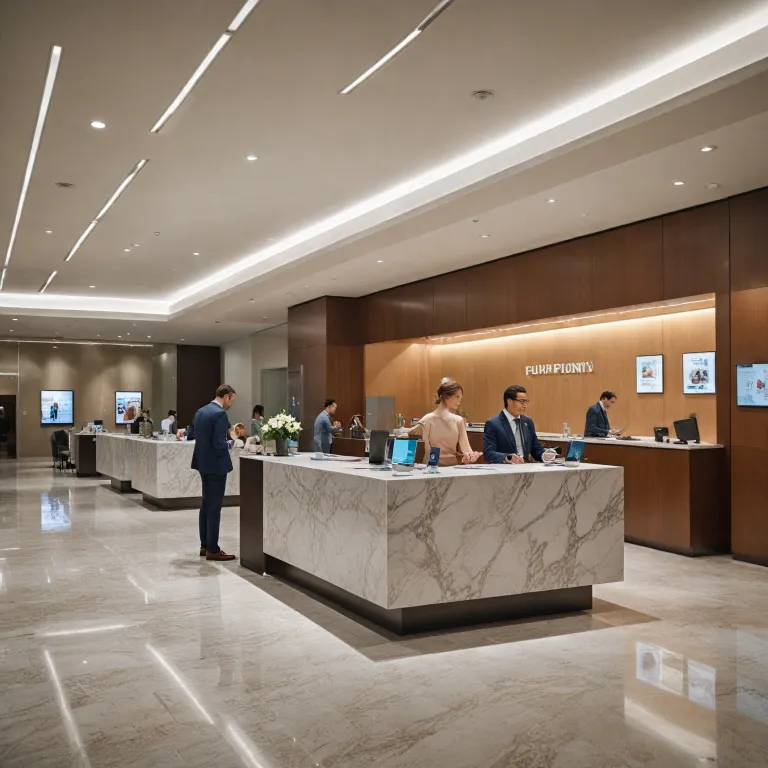
Reframing guest flow with intelligent check in check out software
For hospitality trade shows and professional experiences, check in check out software has become the silent orchestrator of guest flow. When thousands of users check in within a short time window, a robust check system aligned with venue operations prevents queues from spilling into exhibition aisles. The same software can also coordinate staff, temporary crew, and high value equipment items moving between loading docks and conference stages.
Modern platforms extend far beyond a simple check feature and basic badge printing. They integrate a tracking system that logs people, assets, and inventory in real time, giving organizers a single operational source of truth. This unified system approach is particularly valuable when equipment multiple suppliers, technology partners, and sponsors share the same backstage zones and storage rooms.
Specialized providers such as CDM+, PC Check In, Sine by Honeywell, Canary Technologies, HelloShift, Itefy, Shelf, IntelliTrack, GigaTrak, and RedBeam illustrate how diverse the check software ecosystem has become. Their solutions range from guest management and hotel kiosks to equipment checkout and asset tracking for technical teams. Across these platforms, the core promise remains consistent : to track equipment, people, and assets with precision while simplifying the user experience.
For organizers, the strategic question is no longer whether to implement a checkout system, but how deeply to connect it with booking engines, CRM tools, and access control. When check in check out software is configured around clear user roles and defined check process rules, it becomes a lever for security, sponsorship value, and data driven decision making. In this context, check equipment workflows are no longer a back office detail but a central pillar of event design.
From hotel lobby to trade show floor : unifying digital arrivals
Hospitality events increasingly blur the line between hotel lobby, convention center, and immersive brand experience, and check in check out software must follow that continuum. A guest may complete a mobile app pre check at home, finalize their hotel booking, and then use the same digital identity to access a VIP lounge or hosted buyer program. When the check system is unified, each touchpoint feels coherent rather than fragmented across multiple platforms.
Hotel focused providers such as Canary Technologies and HelloShift have shown how contactless check feature design can reduce friction at peak arrival times. Their software demonstrates that when users check in via smartphone or kiosk, staff can be redeployed from repetitive check process tasks to higher value hospitality roles. This logic translates directly to trade shows, where exhibitors and delegates expect the same fluidity they experience in leading hotels.
In parallel, event centric tools like Sine by Honeywell and CDM+ extend the concept of checkout software to visitors, contractors, and temporary staff. These platforms can track equipment items assigned to a stand, log when they are checked out, and ensure every asset is checked back in before dismantling. When integrated with an equipment checkout module such as Itefy or Shelf, the same tracking system can also manage microphones, tablets, and demo units circulating between sessions.
For decision makers evaluating digital guest journeys, case study evidence from hotel innovators is particularly instructive. Analyses of how direct digital journeys reshape guest expectations, such as those highlighted in content on direct hotel booking and guest experience transformation, underline the need for consistent, cross venue check in check out software. Ultimately, the goal is to connect booking data, access rights, and asset management into one coherent, human centric process.
Orchestrating equipment checkout and asset tracking behind the scenes
Behind every polished hospitality trade show lies a dense backstage ecosystem of equipment, from LED walls to translation headsets, all of which must be managed with rigor. Here, equipment checkout workflows powered by dedicated checkout software such as Itefy, Shelf, IntelliTrack, GigaTrak, or RedBeam become mission critical. These platforms use barcode or QR scan capabilities to ensure every asset is checked out and checked back in with full traceability.
For technical directors, the ability to track equipment in real time across multiple halls and breakout rooms is no longer optional. A robust asset tracking module within the broader check in check out software can associate each asset with specific user roles, time slots, and locations. This level of detail reduces the risk of lost equipment items, unplanned rentals, and last minute substitutions that compromise show quality.
Asset management is particularly complex when equipment multiple suppliers share the same inventory pool, as is common in large hospitality expos. A centralized tracking system can document which partner owns which items, who is responsible for maintenance, and when each asset must be returned. When users check out a device, the system can automatically generate a document trail that supports insurance, compliance, and post event reconciliation.
Strategic leaders should also consider how these backstage systems intersect with broader market intelligence and regional trends. Analyses of how regional hospitality ecosystems shape professional events, such as those presented in in depth hospitality news on professional events and executive experiences, highlight the growing expectation for data rich, technology enabled operations. In this context, check equipment workflows, checkout system design, and asset tracking policies become part of a venue’s competitive narrative.
Designing data driven check processes for security and compliance
Security and compliance have moved to the forefront of hospitality event strategy, and check in check out software now sits at the heart of that agenda. By logging every check, checkout, and movement of people and assets, organizers gain a detailed audit trail that supports safety protocols and regulatory requirements. This is particularly relevant for events hosted in university campuses, corporate headquarters, or mixed use hospitality complexes with strict access rules.
Modern platforms combine check software with biometric options, AI assisted analytics, and cloud based storage to provide real time visibility. When users check in, the system can validate credentials, assign user roles, and connect them to specific zones or sessions within the venue. The same tracking system can also monitor inventory of high value equipment items, ensuring that each asset is checked out only by authorized staff.
From a governance perspective, the ability to track equipment and people through a single system simplifies incident response and reporting. If an asset goes missing or a safety alert is triggered, the asset management module can immediately show who last checked the item and at what time. This level of detail transforms the check process from a basic operational step into a strategic risk management tool.
Expert providers such as IntelliTrack and RedBeam emphasize maintenance and calibration tracking alongside standard equipment checkout, reinforcing the link between compliance and operational excellence. Their case study materials often show how a well configured checkout software environment reduces both loss rates and administrative workload. For hospitality leaders, investing in a check system that unites security, asset tracking, and user experience is increasingly seen as a prerequisite for premium event positioning.
Enhancing exhibitor and partner value through connected systems
For exhibitors, technology partners, and sponsors, the perceived value of a hospitality trade show is closely tied to operational ease and data access. When check in check out software is tightly integrated with booking platforms, CRM tools, and lead retrieval systems, every check and checkout event becomes a data point. This allows organizers to track equipment usage, stand traffic, and session attendance with a level of granularity that supports sophisticated ROI analysis.
Equipment checkout modules can, for example, log which demo units or equipment items are most frequently checked out by sales teams during hosted buyer meetings. Combined with asset tracking and real time dashboards, this information helps partners refine their stand design, staffing, and content strategy. A well designed checkout system can also automate reminders when assets are not checked back in on time, reducing friction between organizers and exhibitors.
From the visitor perspective, a mobile app that unifies check in, wayfinding, and session access can significantly elevate the perceived quality of the event. When users check into a session by a quick scan, the tracking system can immediately update capacity counts and trigger overflow plans if needed. This same app can connect to digital document libraries, allowing attendees to access presentations and product sheets linked to the sessions they have checked into.
Infrastructure decisions such as how to allocate gross versus net square footage for hospitality trade shows are increasingly intertwined with these digital capabilities. Analyses of how to interpret gross versus net square footage in hospitality trade shows show that space planning, traffic flow, and check system design must be considered together. In this environment, check equipment workflows, equipment multiple sharing agreements, and asset management policies directly influence commercial outcomes for all stakeholders.
Future ready check in ecosystems for professional hospitality experiences
The trajectory of check in check out software in hospitality events points toward increasingly intelligent, interconnected ecosystems. Cloud based architectures, mobile app centric interfaces, and AI driven analytics are converging to create environments where every check, checkout, and scan enriches a shared data layer. Organizations require efficient systems to monitor and manage the movement of people and assets, and these technologies respond directly to that need.
Adoption trends already indicate strong momentum toward contactless operations, QR based tracking, and integrated visitor management. "Percentage of travelers preferring self-service options" "Number of teams using Shelf's equipment checkout platform" illustrate both guest expectations and operational uptake. As more teams rely on equipment checkout and asset tracking tools, the distinction between front of house guest journeys and backstage logistics will continue to narrow.
For venues hosting university conferences, corporate retreats, or large scale hospitality expos, the strategic imperative is to design a holistic check process that spans every stakeholder. This means aligning check software, checkout software, and checkout system components under a single governance framework with clear user roles. It also means ensuring that asset management, inventory control, and equipment items tracking are treated as core pillars of the event experience rather than peripheral concerns.
Looking ahead, innovation will likely focus on deeper integration between check system platforms and external ecosystems such as payment gateways, loyalty programs, and smart building infrastructure. Software providers, hardware manufacturers, IT service partners, and security consultants will continue to collaborate on solutions that connect booking data, track equipment, and manage assets in real time. For organizers, exhibitors, technology partners, investors, and hotel decision makers, the opportunity lies in treating check in check out software not merely as a tool, but as a strategic foundation for the next generation of professional hospitality experiences.
Key statistics shaping check in check out software adoption
- Percentage of travelers preferring self-service options : 73 % (source : Canary Technologies).
- Number of teams using Shelf's equipment checkout platform : 3 000 teams (source : Shelf).
Questions frequently asked about check in check out software
What is check in check out software ?
Check in check out software is a digital system that manages the recording of entry and exit of individuals or items, enabling organizers to track equipment, guests, and staff with structured, time stamped data. In hospitality events, it underpins both guest arrivals and backstage logistics. By centralizing these movements, it supports security, compliance, and operational efficiency.
What are the benefits of using check in check out software ?
The primary benefits include enhanced security, improved efficiency, accurate record keeping, and better resource management across venues and stakeholders. For hospitality trade shows, this means fewer lost assets, smoother guest flows, and more reliable attendance data. It also enables data driven decisions on staffing, space allocation, and technology investments.
Which industries use check in check out software ?
While hospitality and event management are major adopters, check in check out software is also widely used in healthcare, education, corporate offices, and public sector facilities. University campuses, for example, rely on it to manage both visitor access and equipment checkout for labs or media centers. This cross sector maturity benefits hospitality events that often take place in multi use venues.
Can check in check out software integrate with existing systems ?
Most modern platforms are designed to integrate with existing systems such as CRM tools, property management systems, access control, and booking engines. Through APIs and standardized data formats, they can connect check events with profiles, permissions, and financial records. This interoperability is crucial for large hospitality events that involve multiple technology partners.
Is mobile access available for check in check out software ?
Yes, many providers offer mobile app interfaces that allow users to check in, check out, and scan items directly from smartphones or tablets. For hospitality trade shows, this enables roaming staff to manage equipment items, validate badges, and update inventory in real time. Mobile access also supports contactless guest journeys that align with evolving traveler expectations.