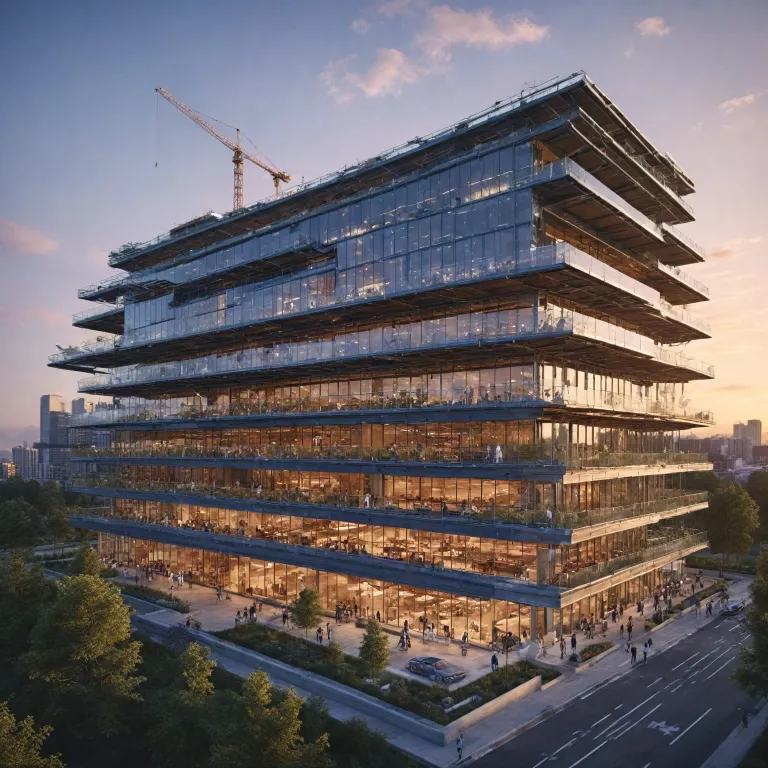
Hotel construction pipeline: trends shaping the future of hospitality
The hotel construction landscape is experiencing unprecedented growth, with global pipelines reaching record levels. This surge in hotel construction projects is a testament to the robust confidence investors and hotel owners have in the hospitality sector. The increasing number of projects, including both new hotels and the redevelopment of existing facilities, highlights the dynamic nature of hotel development today.
Construction firms and contractors are responding to the demand for diverse hotel types, from luxury brands to student housing and office building conversions. The design team and engineering experts are collaborating closely to ensure that each construction project aligns with the brand’s vision while meeting tight timelines and managing construction costs. Project management has become a critical component, as stakeholders seek to optimize both hard and soft costs throughout every phase of building a hotel.
With over 15,871 global hotel construction projects and more than 2.4 million guest rooms in the pipeline, the scale of activity is significant. Dallas, for example, leads with 203 projects, reflecting the city’s strategic importance in the hospitality industry. This momentum is supported by general contractors and construction groups who provide specialized construction services tailored to the unique needs of each hotel type, ensuring that facilities are built to the highest standards.
Collaboration between contractors, design teams, and hotel owners
Successful hotel construction relies on seamless collaboration between contractors, design teams, and hotel owners. The integration of expertise from general contractors, engineering firms, and architects ensures that each project phase is executed efficiently. This synergy is especially vital when working with top hotel brands, where maintaining consistency in guest experience and brand identity is paramount.
Hotel owners and investors are increasingly involved in the early planning stages, leveraging data-driven insights to make informed decisions about construction costs and project feasibility. The design team plays a pivotal role in translating the brand’s vision into functional, aesthetically pleasing guest rooms and public spaces. Contractors must adapt to evolving requirements, balancing the need for innovative design with the realities of construction hotel logistics and cost management.
For those seeking deeper insights into the intersection of construction and hospitality, the hotel construction project management resource provides valuable guidance. This collaborative approach extends to the selection of materials, sustainability initiatives, and the integration of technology, all of which contribute to the long-term success of hotel development projects. The partnership between stakeholders is the foundation upon which successful hotels are built, ensuring that every facility meets the expectations of both guests and investors.
Managing construction costs and timelines in hotel development
Controlling construction costs and adhering to tight timelines are central challenges in hotel development. The complexity of hotel construction projects demands meticulous planning and real-time project management. General contractors and construction groups employ advanced tools and methodologies to monitor progress, allocate resources, and mitigate risks associated with delays or budget overruns.
Soft costs, such as design fees and permits, must be balanced with hard construction costs to ensure overall project viability. The design team and engineering consultants work closely with hotel owners to identify cost-saving opportunities without compromising quality or guest experience. The choice of construction services, from site selection to final build hotel delivery, impacts both the short-term budget and the long-term operational efficiency of the facility.
For a comprehensive overview of best practices in cost management and construction services, refer to the hotel construction cost optimization guide. By leveraging data from industry leaders and adopting a proactive approach to project management, stakeholders can achieve successful outcomes even in the most complex hotel construction environments. The ability to deliver projects on time and within budget is a key differentiator for top construction firms and general contractors in the hospitality sector.
Innovative design and engineering solutions for modern hotels
Modern hotel construction is defined by innovation in design and engineering. The design team is tasked with creating spaces that reflect the brand’s identity while meeting the functional needs of guests. Engineering solutions must address sustainability, energy efficiency, and the integration of smart technologies to enhance the guest experience and reduce long-term operational costs.
Construction firms are increasingly adopting modular building techniques and prefabrication to accelerate project timelines and improve quality control. These methods allow for greater flexibility in hotel type and design, enabling rapid adaptation to changing market demands. The collaboration between contractors, architects, and hotel owners ensures that each construction project delivers value at every stage, from concept to completion. The integration of advanced engineering and design practices is transforming the way hotels are built, resulting in facilities that are not only visually striking but also operationally efficient and sustainable. This commitment to innovation is essential for maintaining competitiveness in the fast-evolving hospitality industry.
Project management excellence in large-scale hotel construction
Excellence in project management is a hallmark of successful large-scale hotel construction. The coordination of multiple stakeholders, including general contractors, design teams, and hotel owners, requires a structured approach to communication and decision-making. Project management professionals utilize sophisticated software and analytics to track progress, manage resources, and ensure that every phase of the construction project aligns with strategic objectives.
Construction hotel projects often involve complex logistics, from site preparation to the installation of guest rooms and public facilities. The ability to anticipate challenges and implement contingency plans is critical for maintaining momentum and avoiding costly delays. The project management team must also navigate regulatory requirements, manage construction costs, and uphold the brand’s standards throughout the build hotel process.
One of the most significant advantages of effective project management is the ability to deliver consistent results across multiple hotel development projects. This consistency is particularly important for hotel chains and brands seeking to expand their presence in key markets. By fostering a culture of collaboration and continuous improvement, project management teams contribute to the long-term success of both individual hotels and the broader hospitality sector.
Long-term value creation through strategic hotel development
Strategic hotel development is focused on creating long-term value for owners, investors, and guests. The selection of hotel type, location, and construction group plays a pivotal role in determining the facility’s success over time. By aligning construction services with the brand’s vision and market demands, stakeholders can ensure that each project delivers sustainable returns.
Investing in high-quality design, engineering, and construction services enhances the guest experience and supports operational efficiency. The integration of flexible spaces, such as student housing and office building conversions, allows hotels to adapt to evolving market trends and maximize occupancy rates. The construction team’s expertise in managing both hard and soft costs contributes to the overall profitability of the project.
As the hospitality industry continues to evolve, the importance of strategic hotel development cannot be overstated. The ability to anticipate future trends, leverage data-driven insights, and collaborate effectively with partners is essential for building hotels that stand the test of time. The long-term success of hotel construction projects depends on a holistic approach that balances innovation, cost management, and guest satisfaction.
Industry insights: data-driven decisions and expert perspectives
Data-driven decision-making is transforming the hotel construction industry. Stakeholders rely on comprehensive analytics to identify opportunities, assess risks, and optimize project outcomes. The use of industry reports and trend analysis enables hotel owners, contractors, and design teams to stay ahead of market shifts and make informed choices about construction hotel investments.
According to a verified expert quote: "As of Q1 2025, Dallas leads with 203 projects totaling 24,496 rooms." This insight underscores the importance of monitoring regional trends and adapting strategies to capitalize on emerging markets. The collaboration between construction firms, general contractors, and hotel brands is essential for translating data into actionable plans that drive growth and innovation.
By embracing a culture of continuous learning and improvement, the hospitality sector is well-positioned to navigate the complexities of modern hotel construction. The integration of advanced project management techniques, innovative design solutions, and strategic partnerships ensures that every hotel development project delivers value for all stakeholders involved.
Key statistics shaping hotel construction and development
- Global hotel construction projects: 15,871 projects (Lodging Econometrics Q2 2025 Report)
- Global hotel construction rooms: 2,436,225 rooms (Lodging Econometrics Q2 2025 Report)
- U.S. hotel construction projects: 6,376 projects (Lodging Econometrics Q1 2025 Report)
- U.S. hotel construction rooms: 749,561 rooms (Lodging Econometrics Q1 2025 Report)
Frequently asked questions about hotel construction
Which city leads in hotel construction projects?
As of Q1 2025, Dallas leads with 203 projects totaling 24,496 rooms.
What is the growth rate of the global hotel construction pipeline?
The global hotel construction pipeline grew by 3% in projects and 2% in rooms year-over-year as of Q2 2025.
Which hotel chain has the most projects under construction?
Specific data on individual hotel chains' projects under construction is not provided in the available sources.
What are the dominant hotel types in new developments?
Upper midscale and upscale chain scales dominate new hotel construction developments, reflecting changing guest preferences and market trends.
How are construction costs managed in hotel projects?
Construction costs are managed through careful planning, collaboration between contractors and design teams, and the use of advanced project management tools to balance hard and soft costs throughout each phase of the project.